 Business License

TCT Carbide Planer Blade for Industrial Woodworking: The Ultimate Guide for Furniture Manufacturers
Is Your Planer Holding Your Production Back? Here's How to Fix It in 2026
Every furniture manufacturer knows this frustration: your planer blades are dulling faster than expected, leaving tear-out marks on your oak panels, and eating into your production schedule with constant blade changes. If you're still using traditional HSS blades, you're likely losing thousands of dollars annually in inefficiency, waste, and downtime.
The solution? Upgrading to TCT (Tungsten Carbide Tipped) planer blades—specifically the industrial-grade 300×30×3mm carbide blade that's revolutionizing modern woodworking shops.
Why Your Current Blades Are Costing You More Than You Think
Let's break down the real cost of dull or low-quality planer blades:
Hidden Costs You're Ignoring:
| Problem | Impact |
|---|---|
| Frequent blade changes | 2-4 hours/week in downtime |
| Tear-out and rework | 5-15% material waste |
| Slow feed rates | 30% longer production cycles |
| Burn marks on hardwoods | Scrap or expensive refinishing |
According to industry benchmarks, sharp, high-quality carbide blades can process 20,000-50,000 linear feet before requiring replacement—compared to just 5,000-10,000 feet with standard HSS blades. That's 5-10x longer lifespan for demanding production environments.
Introducing Our Industrial-Grade TCT Carbide Planer Blade
Designed specifically for furniture factories and professional woodworking shops, our 300×30×3mm TCT Carbide Planer Blade delivers the precision and durability your production line demands.
Technical Specifications:
Dimensions: 300mm × 30mm × 3mm
Material: Tungsten Carbide Tip (TCT)
Grade: Industrial-grade
Hardness: Superior wear resistance
Cutting Performance: Clean, smooth finish on both softwoods and hardwoods
Why Tungsten Carbide?
Tungsten carbide is one of the hardest materials used in cutting tools today. Unlike high-speed steel (HSS), which dulls quickly when cutting dense hardwoods like oak, maple, or walnut, carbide maintains its sharp edge through extended production runs.
Key advantages over HSS blades:
5-10x longer tool life in production environments
Maintains sharpness when cutting abrasive materials
Resists heat buildup, reducing the risk of burn marks
Consistent cutting performance throughout the blade's lifespan
5 Reasons Furniture Manufacturers Choose Our TCT Planer Blades
1. Exceptional Cutting Precision
Each blade is engineered for high-precision cutting, delivering smooth, tear-free surfaces on all wood types. Whether you're processing soft pine or exotic hardwoods, expect professional-quality results every time.
2. Built for Industrial Workloads
Unlike blades designed for hobbyists, our industrial-grade TCT blades are built to handle continuous production shifts without compromising performance. No more mid-shift blade changes disrupting your workflow.
3. Versatile Applications
Perfectly suited for:
Furniture manufacturing (tabletops, cabinet panels, frames)
Woodworking planers and thickness planers
Professional carpentry shops
High-volume lumber processing
4. Reduced Operating Costs
While the initial investment in carbide blades is higher than HSS, the total cost of ownership is significantly lower:
Fewer blade purchases per year
Less machine downtime for blade changes
Reduced material waste from tear-out
Lower labor costs for maintenance
5. Clean, Professional Finish
Dull blades tear wood fibers, leaving surfaces that require extensive sanding and finishing work. Our sharp carbide blades slice cleanly through wood grain, producing surfaces that are ready for finishing with minimal post-processing.
How to Maximize Your Planer Blade Performance
To get the most out of your TCT carbide planer blades, follow these professional tips:
Optimal Feed Rates:
Softwoods: Higher feed rates acceptable
Hardwoods: Moderate feed rates for best surface quality
Dense exotic woods: Slower feed rates recommended
Installation Matters:
Ensure blades are properly seated and balanced
Check for secure mounting before operation
Verify blade alignment with your planer's specifications
Maintenance Tips:
Clean blades regularly to remove pitch and resin buildup
Store in a dry environment to prevent corrosion
Inspect for chips or damage before each use
Frequently Asked Questions
Q: How long do TCT carbide planer blades last?
A: In industrial production environments, our 300×30×3mm TCT blades typically last 20,000-50,000 linear feet depending on wood hardness and usage patterns. This is 5-10x longer than standard HSS blades.
Q: Can I use these blades on my existing planer?
A: Our TCT planer blades are designed for standard industrial woodworking planers. Please verify your machine's compatibility with the 300×30×3mm specifications before ordering.
Q: Do carbide blades require special sharpening?
A: Unlike HSS blades, carbide tips cannot be sharpened with standard whetstones. When dull, industrial carbide blades are typically replaced. However, the extended lifespan means fewer replacements overall.
Q: Are these suitable for both softwoods and hardwoods?
A: Absolutely. TCT carbide blades excel at cutting all wood types—from soft pine and cedar to dense oak, maple, and exotic hardwoods.
Ready to Upgrade Your Production Line?
Stop wasting money on blades that can't keep up with your production demands. Our Industrial-Grade TCT Carbide Planer Blades (300×30×3mm) are engineered for furniture manufacturers and professional woodworking shops that demand precision, durability, and efficiency.
What You Get:
✅ Premium tungsten carbide construction
✅ 300×30×3mm industrial specifications
✅ Superior hardness and wear resistance
✅ Smooth, tear-free cutting on all wood types
✅ Extended service life for reduced operating costs
Get a Quote Today
Whether you need a single blade for testing or bulk orders for your production line, we're ready to support your woodworking operation. Contact us now to discuss your requirements and discover how our TCT planer blades can transform your manufacturing efficiency.
Transform your planer's performance. Upgrade to industrial-grade carbide and experience the difference that professional-quality blades make in your production output.
Recently Posted
-
How to Extend the Service Life of Your Aluminium Cutting Saw Blade
July 8, 2026An aluminium cutting saw blade is an investment. A quality TCT blade with TP teeth costs more than a wood-cutting blade — and it s Read More
 -
100T vs 120T Aluminium Saw Blade — Which Tooth Count Do You Need?
July 8, 2026Buying an aluminium cutting saw blade and stuck between 100T and 120T? This is one of the most common questions we get from buyers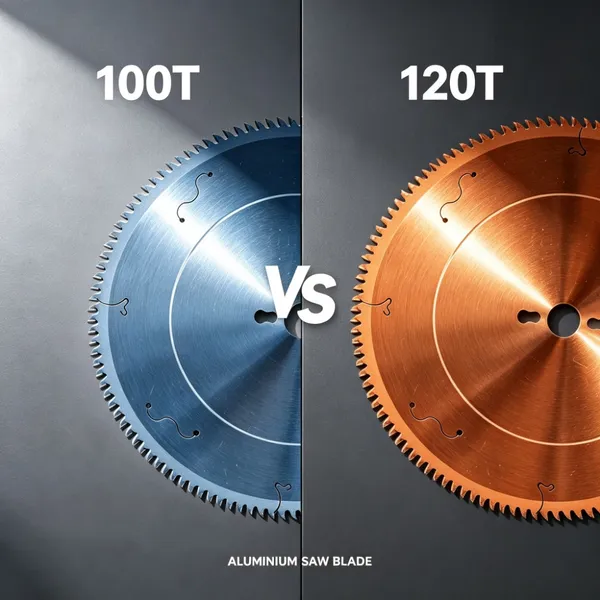 Read More
 -
Why Choose 254mm 100T TCG 75Cr1 Saw Blade for Wood Fine Cutting?
June 10, 2026Every woodworker knows that fine cutting is the key to finishing high-quality woodworks. A poor saw blade will cause rough edges,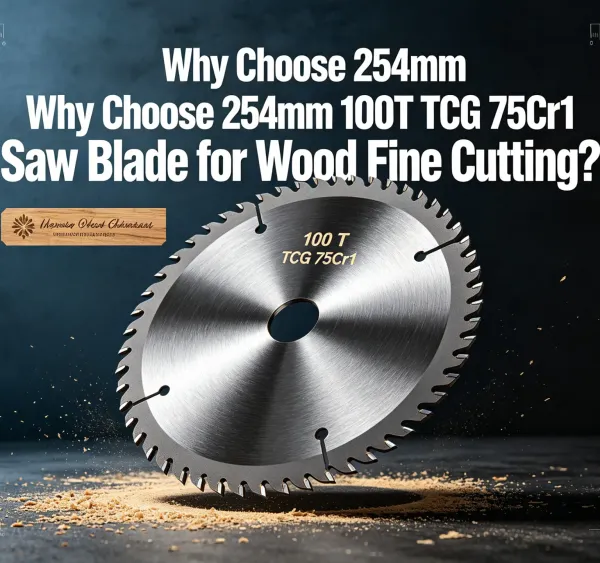 Read More
 -
254mm 100T TCG 75Cr1 Woodworking Blade: Ideal Choice for Wood Fine Cutting
June 10, 2026When it comes to high-precision wood processing, selecting a qualified saw blade directly determines cutting quality, production e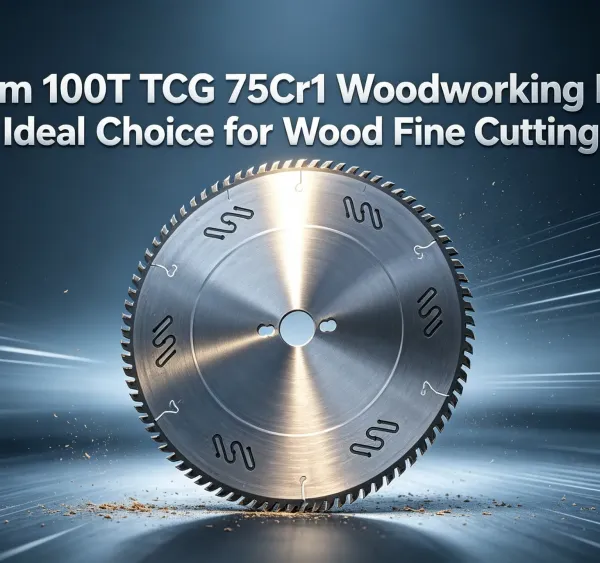 Read More

Contact Us
Recommended Products
-
 75Cr1 Panel Saw Blade 180mm 48T ATB for Wood Panel Cutting for FurnitureNegotiableMOQ: 100 Pieces
 -
Woodworking Blade 350mm 60T TCG 75Cr1 for Panel Saw for Furniture ManufacturingNegotiableMOQ: 100 Pieces
-
Precision Cutting Blade 300mm With 96T TCG Teeth for Fine Panel Cutting for Cabinet MakingNegotiableMOQ: 100 Pieces
-
Industrial Saw Blade 450mm 80T TCG 75Cr1 for Panel Cutting for Furniture ManufacturingNegotiableMOQ: 100 Pieces
-
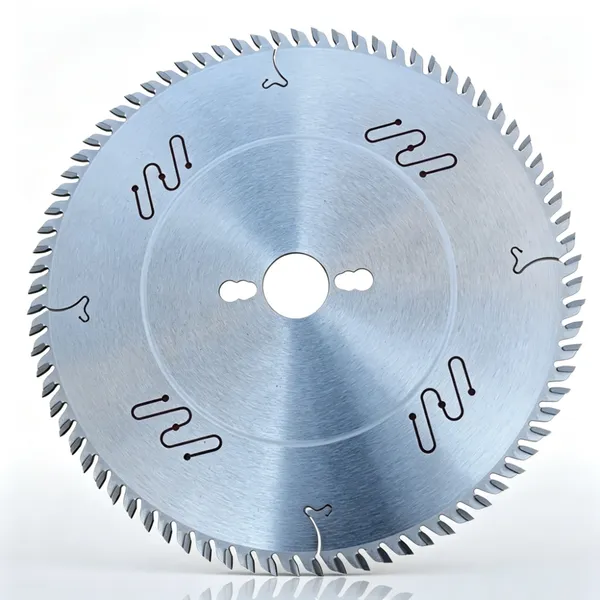
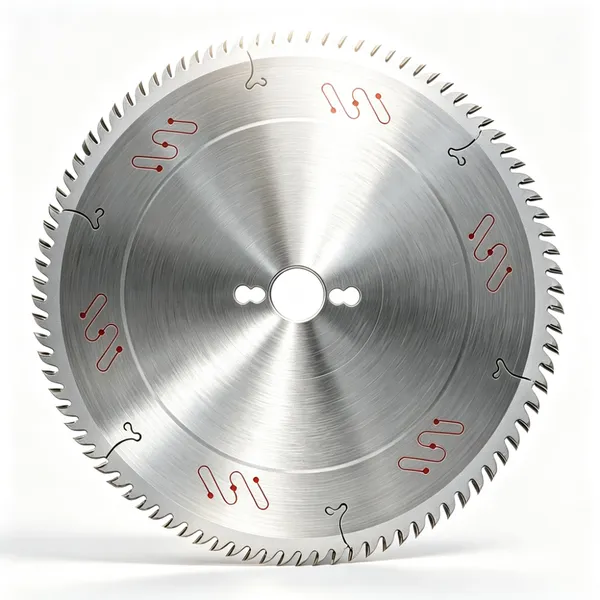
Laminated Board Cutting Blade 254mm 120T TCG 75Cr1 for Furniture ManufacturingNegotiableMOQ: 100 Pieces
-
230mm 40T ATB Rip Saw Blade for Solid Wood Cutting for Furniture 75Cr1NegotiableMOQ: 100 Pieces
-
Precision Saw Blade 254mm With 80T TCG Teeth for Plywood Cutting for Cabinet MakingNegotiableMOQ: 100 Pieces
-
75Cr1 Fine Cutting Blade 305mm 120T TCG for Panel Saw for FurnitureNegotiableMOQ: 100 Pieces
-
Melamine Board Blade for Panel Cutting 305mm 100T TCG 75Cr1 for FurnitureNegotiableMOQ: 100 Pieces
-
Woodworking Saw Blade 400mm With 100T TCG Teeth for Fine Panel Cutting for Cabinet MakingNegotiableMOQ: 100 Pieces
-
Cutting Saw Blade 350mm 60T TCG 75Cr1 for Panel Cutting for WoodworkingNegotiableMOQ: 100 Pieces
-
350mm 72T TCG Fine Cutting Blade for Panel Saw for Cabinet Making 75Cr1NegotiableMOQ: 100 Pieces
-
Panel Saw Blade for Wood Cutting 250mm 60T TCG 75Cr1 for MDF Crosscutting for WoodworkingNegotiableMOQ: 100 Pieces
-
Precision Wood Saw Blade 300mm 120T TCG for Fine Panel Crosscutting for Cabinet MakingNegotiableMOQ: 100 Pieces
-
75Cr1 Wood Ripping Saw Blade 250mm 40T ATB for Solid Wood Rip Cutting for Timber ProcessingNegotiableMOQ: 100 Pieces
-
300mm 80T TCG Wood Saw Blade for Melamine Faced Board Cutting 75Cr1NegotiableMOQ: 100 Pieces
-
Plywood Saw Blade 300mm 60T TCG 75Cr1 for Woodworking Panel CrosscuttingNegotiableMOQ: 100 Pieces
-
75Cr1 Saw Blade 250mm 100T TP for Plywood Cutting - AOMJNGNegotiableMOQ: 100 Pieces
-
75Cr1 Panel Saw Blade 400mm 120T TP for Plywood Cutting - AOMJNGNegotiableMOQ: 100 Pieces
-
Cutting Saw Blade for Plywood No-spec HSS for Woodworking & FurnitureNegotiableMOQ: 100 Pieces