 Business License

The Ultimate Guide to Choosing the Right Finger Joint Cutter for Your Woodworking Business
How to Select a High-Performance Finger Joint Cutter That Maximizes Production Efficiency and Reduces Material Waste
If you're running a furniture manufacturing plant or a wood processing facility, you know the frustration: short wood scraps piling up in the corner, valuable material going to waste, and production costs eating into your profits. The problem isn't your skills—it's the tools you're using.
Finger joint cutters (also known as wood finger jointing tools) are the professional-grade solution that successful furniture manufacturers rely on to transform waste into wealth. In this comprehensive guide, we'll walk you through everything you need to know about selecting the perfect finger joint cutter for your operation.
Why Your Current Wood Joining Method Might Be Costing You Money
Traditional wood joining methods often fall short in today's competitive manufacturing landscape. Whether you're producing furniture components, laminated beams, or construction materials, the connection between wood pieces determines both structural integrity and visual appeal.
The core challenges facing wood processing businesses today include:
Excessive material waste: Short boards under 300mm are typically discarded or sold at minimal value
Production bottlenecks: Slow joint processing limits your output capacity
Inconsistent quality: Poor joints lead to callbacks, rework, and damaged reputation
High tooling costs: Frequent blade replacements drain your operational budget
A precision-engineered finger joint cutter addresses each of these pain points directly, offering a return on investment that most shops see within months.
What Is a Finger Joint Cutter and How Does It Work?
A finger joint cutter is a specialized rotary cutting tool designed to machine interlocking "fingers" into the end grain of wood pieces. When two profiled boards are joined with adhesive and pressed together, they mesh perfectly, creating a bond that is often stronger than the natural wood itself.
The finger jointing process increases glue surface area by up to 300% compared to traditional butt joints. This mechanical interlock, combined with the chemical bond from quality adhesives, produces joints that withstand significant stress without failure.
Key Technical Specifications
Our industrial-grade finger joint cutter delivers exceptional performance across demanding applications:
| Parameter | Specification |
|---|---|
| Diameter | 160mm |
| Finger Length Options | 12mm, 9mm, 6mm |
| Compatible Materials | Rubberwood, bamboo, imported hardwoods, softwoods |
| Compatible Equipment | Precision finger joint machines, rack forming machines, automatic tenoning machines |
| Tool Construction | Industrial-grade steel with precision-ground cutting edges |
Why Our Finger Joint Cutter Outperforms the Competition
1. Industrial-Grade Precision
Every tooth on our cutter is ground to exact tolerances. Even a microscopic difference of 0.01mm between teeth will cause poor glue joints and inconsistent results. Our automated CNC grinding process ensures each cutting edge meets the same strict specifications, batch after batch.
2. Versatile Finger Length Options
Different applications require different finger profiles:
12mm fingers: Ideal for structural applications requiring maximum strength, such as laminated beams and construction components
9mm fingers: Perfect balance for general furniture manufacturing, providing excellent strength with clean aesthetics
6mm fingers: Best for visible joints where appearance matters, such as tabletops and decorative furniture elements
This flexibility allows you to stock a single cutter body and swap inserts based on your production requirements.
3. Broad Material Compatibility
Our finger joint cutter handles the materials you work with daily:
Rubberwood: Dense and often challenging, rubberwood responds well to our optimized geometry
Bamboo: The alternating node structure requires precise cutting to achieve strong bonds
Imported hardwoods: From oak to mahogany, our cutter maintains sharpness through demanding species
Standard softwoods: Pine, spruce, and fir process quickly with minimal tearout
4. Customization Available
Standard tools don't always fit unique requirements. We offer custom finger joint cutter configurations for specialized applications, including non-standard diameters, custom tooth counts, and proprietary profiles for OEM partnerships.
Real-World Applications Where Finger Joint Cutters Excel
Furniture Manufacturing
Transform short poplar or pine offcuts into premium tabletops, chair legs, and structural components. The nearly invisible joint lines on finished pieces mean your customers see beautiful wood, not seams.
Construction Industry
Create long, stable glulam beams for roofing systems, bridges, and load-bearing structures. Finger-jointed structural timber meets international building codes while maximizing your lumber yield.
Window and Door Production
Eliminate natural defects like knots by joining straight, defect-free sections. The resulting profiles are perfectly straight and warp-resistant—critical for quality window and door frames.
Flooring and Millwork
Produce long, stable moldings, skirting boards, and architectural trim without the waste associated with finding suitable long boards.
How to Choose the Right Finger Joint Cutter: A Step-by-Step Guide
Selecting the appropriate finger joint cutter involves matching tool specifications to your specific operational requirements:
Step 1: Assess Your Finger Length Needs
Consider the application. Structural applications benefit from longer 12mm fingers for maximum interlock. Visible furniture components typically use 9mm or 6mm fingers for aesthetic purposes.
Step 2: Match to Your Equipment
Verify that the cutter's bore diameter and mounting configuration match your spindle specifications. Our standard 160mm diameter fits most precision finger joint machines and rack forming equipment.
Step 3: Evaluate Production Volume
High-volume operations benefit from insert-type designs that allow quick blade changes without stopping production. Our modular construction enables fast inserts replacement when teeth wear.
Step 4: Consider Material Hardness
Denser hardwoods and abrasive materials like bamboo require cutters with premium carbide grades. We use tungsten carbide tips that maintain sharpness through thousands of linear meters of cutting.
Maximize Your ROI: The Economic Benefits of Quality Finger Joint Cutters
Investing in a high-performance finger joint cutter directly improves your bottom line through multiple channels:
Material Cost Reduction
Without finger jointing, short pieces under 300mm are typically discarded. With precision finger joint cutters, you can reclaim approximately 90% of what was previously waste. A cabinet shop using expensive oak can reduce raw material costs by roughly 30% simply by joining offcuts.
Labor Efficiency Gains
Insert-type designs reduce resharpening downtime from hours to minutes. In a factory producing 1,000 linear meters of board per hour, a 30-minute delay for tool changes costs hundreds of dollars in lost production.
Energy Savings
Sharp, precision-ground cutters cut cleanly, requiring less spindle motor current. Over time, this reduced power draw translates to meaningful electricity savings.
Quality-Related Cost Avoidance
Consistent, strong joints mean fewer callbacks, less rework, and better customer satisfaction. Your reputation for quality becomes a competitive advantage.
Pricing and Order Information
Our industrial-grade finger joint cutters are priced for professional woodworkers:
10-99 pieces: ¥47.46 per unit
100+ pieces: ¥42.04 per unit (Volume discount)
Bulk pricing makes it economical to equip multiple machines or maintain spare inventory for continuous production.
Get Started Today
Ready to reduce waste, increase productivity, and improve your products' quality? Our team is here to help you select the perfect finger joint cutter for your specific applications.
Contact us now to discuss your requirements, request samples, or place an order. We offer fast shipping, technical support, and customization services for OEM partnerships.
Recently Posted
-
How to Extend the Service Life of Your Aluminium Cutting Saw Blade
July 8, 2026An aluminium cutting saw blade is an investment. A quality TCT blade with TP teeth costs more than a wood-cutting blade — and it s Read More
 -
100T vs 120T Aluminium Saw Blade — Which Tooth Count Do You Need?
July 8, 2026Buying an aluminium cutting saw blade and stuck between 100T and 120T? This is one of the most common questions we get from buyers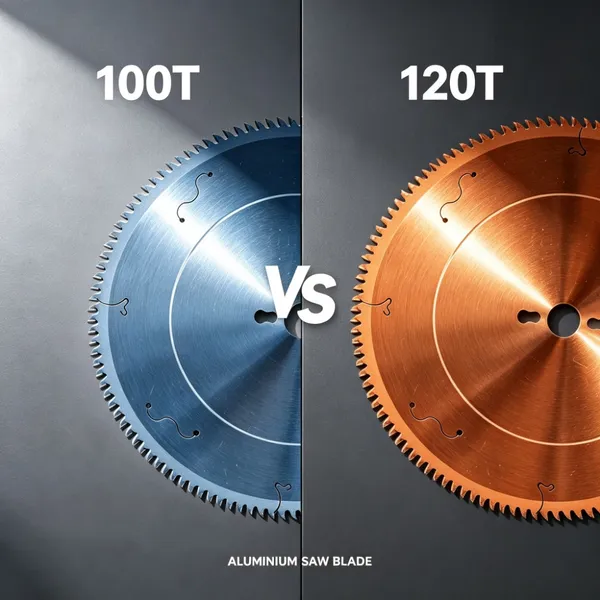 Read More
 -
Why Choose 254mm 100T TCG 75Cr1 Saw Blade for Wood Fine Cutting?
June 10, 2026Every woodworker knows that fine cutting is the key to finishing high-quality woodworks. A poor saw blade will cause rough edges,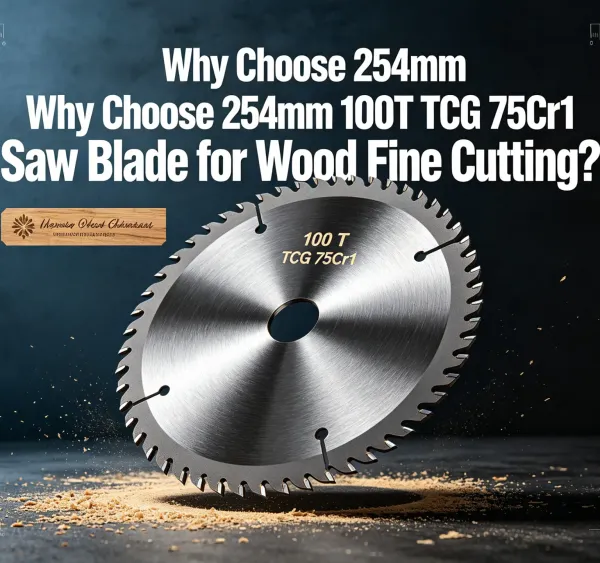 Read More
 -
254mm 100T TCG 75Cr1 Woodworking Blade: Ideal Choice for Wood Fine Cutting
June 10, 2026When it comes to high-precision wood processing, selecting a qualified saw blade directly determines cutting quality, production e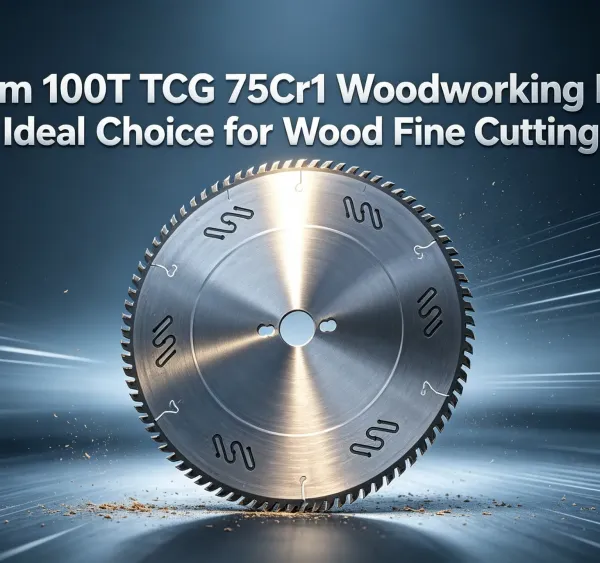 Read More

Contact Us
Recommended Products
-
 75Cr1 Panel Saw Blade 180mm 48T ATB for Wood Panel Cutting for FurnitureNegotiableMOQ: 100 Pieces
 -
Woodworking Blade 350mm 60T TCG 75Cr1 for Panel Saw for Furniture ManufacturingNegotiableMOQ: 100 Pieces
-
Precision Cutting Blade 300mm With 96T TCG Teeth for Fine Panel Cutting for Cabinet MakingNegotiableMOQ: 100 Pieces
-
Industrial Saw Blade 450mm 80T TCG 75Cr1 for Panel Cutting for Furniture ManufacturingNegotiableMOQ: 100 Pieces
-
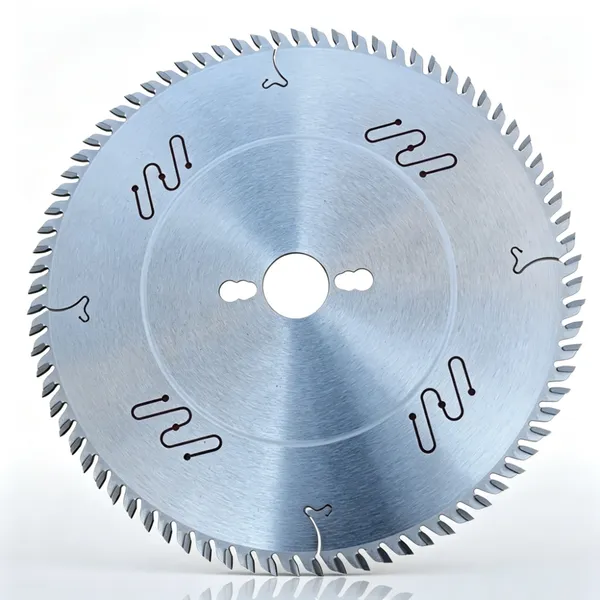
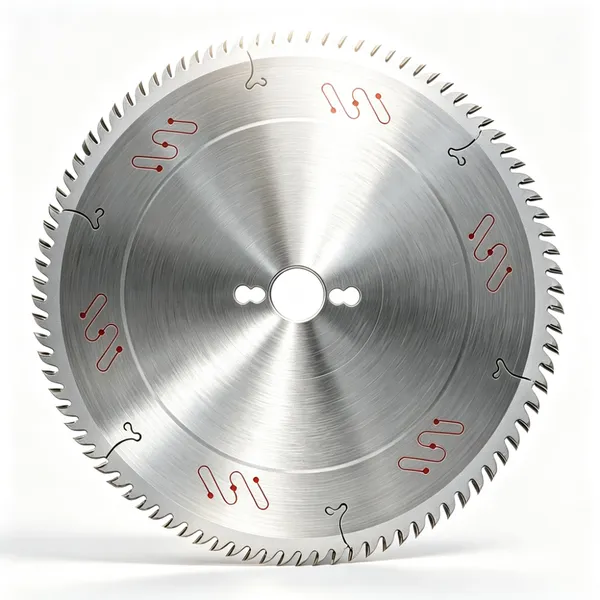
Laminated Board Cutting Blade 254mm 120T TCG 75Cr1 for Furniture ManufacturingNegotiableMOQ: 100 Pieces
-
230mm 40T ATB Rip Saw Blade for Solid Wood Cutting for Furniture 75Cr1NegotiableMOQ: 100 Pieces
-
Precision Saw Blade 254mm With 80T TCG Teeth for Plywood Cutting for Cabinet MakingNegotiableMOQ: 100 Pieces
-
75Cr1 Fine Cutting Blade 305mm 120T TCG for Panel Saw for FurnitureNegotiableMOQ: 100 Pieces
-
Melamine Board Blade for Panel Cutting 305mm 100T TCG 75Cr1 for FurnitureNegotiableMOQ: 100 Pieces
-
Woodworking Saw Blade 400mm With 100T TCG Teeth for Fine Panel Cutting for Cabinet MakingNegotiableMOQ: 100 Pieces
-
Cutting Saw Blade 350mm 60T TCG 75Cr1 for Panel Cutting for WoodworkingNegotiableMOQ: 100 Pieces
-
350mm 72T TCG Fine Cutting Blade for Panel Saw for Cabinet Making 75Cr1NegotiableMOQ: 100 Pieces
-
Panel Saw Blade for Wood Cutting 250mm 60T TCG 75Cr1 for MDF Crosscutting for WoodworkingNegotiableMOQ: 100 Pieces
-
Precision Wood Saw Blade 300mm 120T TCG for Fine Panel Crosscutting for Cabinet MakingNegotiableMOQ: 100 Pieces
-
75Cr1 Wood Ripping Saw Blade 250mm 40T ATB for Solid Wood Rip Cutting for Timber ProcessingNegotiableMOQ: 100 Pieces
-
300mm 80T TCG Wood Saw Blade for Melamine Faced Board Cutting 75Cr1NegotiableMOQ: 100 Pieces
-
Plywood Saw Blade 300mm 60T TCG 75Cr1 for Woodworking Panel CrosscuttingNegotiableMOQ: 100 Pieces
-
75Cr1 Saw Blade 250mm 100T TP for Plywood Cutting - AOMJNGNegotiableMOQ: 100 Pieces
-
75Cr1 Panel Saw Blade 400mm 120T TP for Plywood Cutting - AOMJNGNegotiableMOQ: 100 Pieces
-
Cutting Saw Blade for Plywood No-spec HSS for Woodworking & FurnitureNegotiableMOQ: 100 Pieces