 Business License

100T vs 120T Aluminium Saw Blade — Which Tooth Count Do You Need?
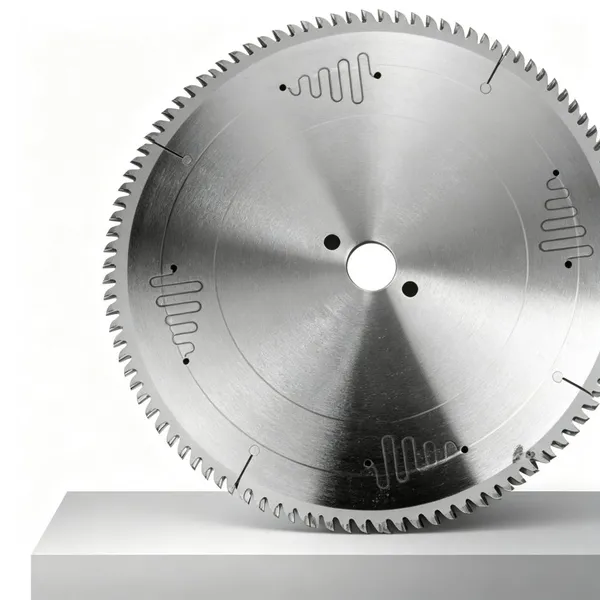
Buying an aluminium cutting saw blade and stuck between 100T and 120T? This is one of the most common questions we get from buyers, and the answer isn’t “more teeth is always better.” The right tooth count depends on what you’re cutting, how thick the material is, and what finish quality you need.
Why Tooth Count Matters for Aluminium
Unlike wood, where tooth count mainly affects cut speed vs. finish, aluminium cutting is more sensitive. Aluminium is soft and ductile — it tends to stick to blade teeth under heat. Too few teeth and each tooth takes a bigger bite, generating more heat. Too many teeth and the chip gullets are too small to clear aluminium chips, causing loading.
The 100T vs 120T choice is essentially a balance between cutting efficiency and surface finish.
100T: The General-Purpose Workhorse
Best for:
Aluminium profiles with wall thickness 2-4mm
Solid aluminium bars and rods
Thicker extrusions where chip volume is high
Production cutting where speed matters
Why it works:
100 teeth on a 250-300mm blade means larger gullet space between teeth. Aluminium chips — which are curly and stringy — have room to exit the cut without packing. Less chip packing means less heat, less loading, and longer blade life.
Trade-off:
The cut surface on thin-wall profiles may show very faint tooth marks. Not a problem for structural applications, but may require a quick deburr for visible surfaces.
120T: The Precision Finish Specialist
Best for:
Thin-wall aluminium profiles (0.8-2mm wall thickness)
Window and door extrusions where visible surface quality matters
Aluminium tubes and hollow sections
Applications requiring zero post-cut finishing
Why it works:
120 teeth means each tooth takes a smaller, finer bite. The cut surface comes out smoother — often burr-free on both top and bottom edges. For window and door manufacturers, this eliminates the deburring step, saving time and labor.
Trade-off:
Smaller gullets mean chips must exit faster. If you’re cutting thick solid aluminium, chips can pack and cause loading. 120T is not ideal for thick-wall or solid bar cutting.
Quick Selection Guide
| Your Material | Wall Thickness | Recommended | Why |
|---|---|---|---|
| Window/door profiles | 0.8-1.5mm | 120T | Burr-free finish, no secondary work |
| Standard profiles | 1.5-3mm | 120T or 100T | 120T for visible parts, 100T for hidden |
| Thick-wall profiles | 3-6mm | 100T | Better chip clearance, less loading |
| Solid bars/rods | 6mm+ | 100T | Large chips need large gullets |
| Aluminium tubes | Any | 120T | Thin walls need fine teeth |
| Aluminium plates | 3-10mm | 100T | Chip volume requires clearance |
Diameter Also Affects the Choice
The same tooth count behaves differently at different diameters:
250mm 100T: Medium tooth pitch, good for general profiles
250mm 120T: Fine pitch, excellent for thin-window profiles
300mm 100T: Slightly coarser pitch (same teeth, bigger circumference), good for thicker material
300mm 120T: Medium-fine pitch, the most versatile aluminium blade
350/400mm 120T: Coarser pitch despite 120 teeth (large circumference), designed for large profiles
If you’re cutting a mix of thin and thick material and want one blade, 300mm 120T is the most versatile choice.
Don’t Forget Lubrication
Regardless of tooth count, aluminium cutting requires lubrication. Use cutting wax or aluminium-specific cutting fluid. This reduces friction heat by up to 50%, prevents aluminium from welding to tooth tips, and significantly extends blade life. Even the best 120T blade will load without lubrication.
The Bottom Line
Choose 100T when you need chip clearance and cutting speed on thicker material. Choose 120T when you need burr-free finishes on thin-wall profiles. If you cut a range of aluminium materials, stock both — using the wrong tooth count costs more in blade damage and rework than buying a second blade.
AOMJNG offers both 100T and 120T TP-geometry aluminium cutting blades in 250mm, 300mm, 350mm, and 400mm diameters, with OEM/ODM customization available.
Recently Posted
-
How to Extend the Service Life of Your Aluminium Cutting Saw Blade
July 8, 2026An aluminium cutting saw blade is an investment. A quality TCT blade with TP teeth costs more than a wood-cutting blade — and it s Read More
 -
Why Choose 254mm 100T TCG 75Cr1 Saw Blade for Wood Fine Cutting?
June 10, 2026Every woodworker knows that fine cutting is the key to finishing high-quality woodworks. A poor saw blade will cause rough edges, Read More
 -
254mm 100T TCG 75Cr1 Woodworking Blade: Ideal Choice for Wood Fine Cutting
June 10, 2026When it comes to high-precision wood processing, selecting a qualified saw blade directly determines cutting quality, production e Read More
 -
TCT Circular Saw Blade 300mm 120T TCG 75Cr1 for Plywood Cutting - AOMJNG
May 27, 2026IntroductionWhen cutting engineered wood products and composite materials, the risk of edge chipping and delamination increases si Read More

Contact Us
Recommended Products
-
 75Cr1 Panel Saw Blade 180mm 48T ATB for Wood Panel Cutting for FurnitureNegotiableMOQ: 100 Pieces
 -
Woodworking Blade 350mm 60T TCG 75Cr1 for Panel Saw for Furniture ManufacturingNegotiableMOQ: 100 Pieces
-
Precision Cutting Blade 300mm With 96T TCG Teeth for Fine Panel Cutting for Cabinet MakingNegotiableMOQ: 100 Pieces
-
Industrial Saw Blade 450mm 80T TCG 75Cr1 for Panel Cutting for Furniture ManufacturingNegotiableMOQ: 100 Pieces
-
Laminated Board Cutting Blade 254mm 120T TCG 75Cr1 for Furniture ManufacturingNegotiableMOQ: 100 Pieces
-
230mm 40T ATB Rip Saw Blade for Solid Wood Cutting for Furniture 75Cr1NegotiableMOQ: 100 Pieces
-
Precision Saw Blade 254mm With 80T TCG Teeth for Plywood Cutting for Cabinet MakingNegotiableMOQ: 100 Pieces
-
75Cr1 Fine Cutting Blade 305mm 120T TCG for Panel Saw for FurnitureNegotiableMOQ: 100 Pieces
-
Melamine Board Blade for Panel Cutting 305mm 100T TCG 75Cr1 for FurnitureNegotiableMOQ: 100 Pieces
-
Woodworking Saw Blade 400mm With 100T TCG Teeth for Fine Panel Cutting for Cabinet MakingNegotiableMOQ: 100 Pieces
-
Cutting Saw Blade 350mm 60T TCG 75Cr1 for Panel Cutting for WoodworkingNegotiableMOQ: 100 Pieces
-
350mm 72T TCG Fine Cutting Blade for Panel Saw for Cabinet Making 75Cr1NegotiableMOQ: 100 Pieces
-
Panel Saw Blade for Wood Cutting 250mm 60T TCG 75Cr1 for MDF Crosscutting for WoodworkingNegotiableMOQ: 100 Pieces
-
Precision Wood Saw Blade 300mm 120T TCG for Fine Panel Crosscutting for Cabinet MakingNegotiableMOQ: 100 Pieces
-
75Cr1 Wood Ripping Saw Blade 250mm 40T ATB for Solid Wood Rip Cutting for Timber ProcessingNegotiableMOQ: 100 Pieces
-
300mm 80T TCG Wood Saw Blade for Melamine Faced Board Cutting 75Cr1NegotiableMOQ: 100 Pieces
-
Plywood Saw Blade 300mm 60T TCG 75Cr1 for Woodworking Panel CrosscuttingNegotiableMOQ: 100 Pieces
-
75Cr1 Saw Blade 250mm 100T TP for Plywood Cutting - AOMJNGNegotiableMOQ: 100 Pieces
-
75Cr1 Panel Saw Blade 400mm 120T TP for Plywood Cutting - AOMJNGNegotiableMOQ: 100 Pieces
-
Cutting Saw Blade for Plywood No-spec HSS for Woodworking & FurnitureNegotiableMOQ: 100 Pieces