 Business License

How to Extend the Service Life of Your Aluminium Cutting Saw Blade
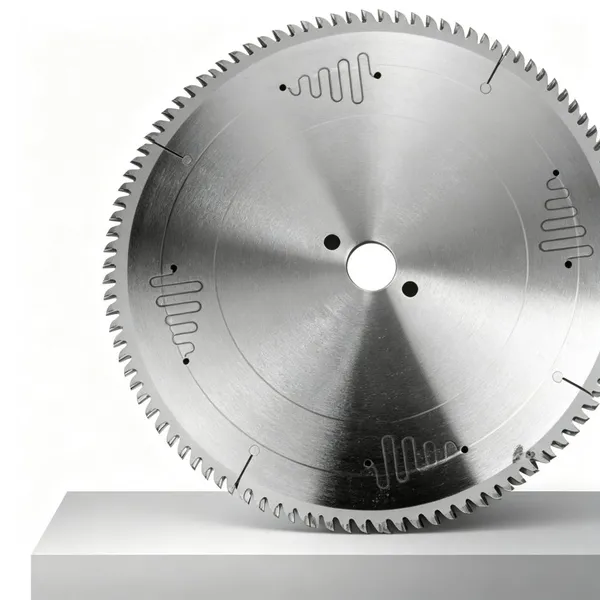
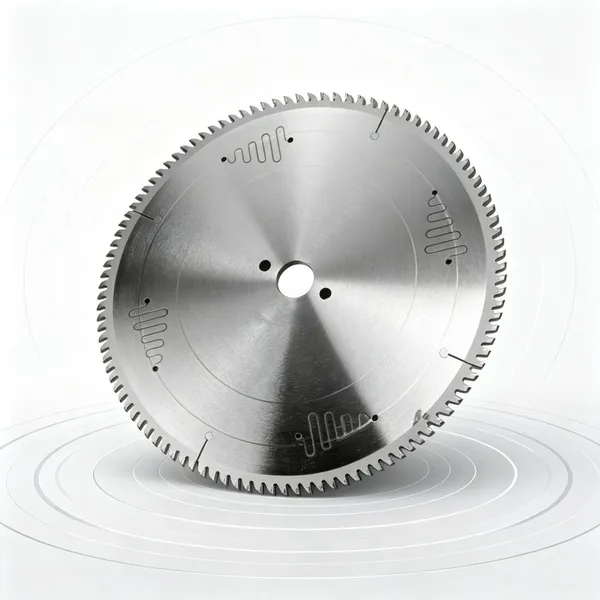
An aluminium cutting saw blade is an investment. A quality TCT blade with TP teeth costs more than a wood-cutting blade — and it should last longer too, if you treat it right. Unfortunately, many buyers replace blades prematurely because of preventable damage. Here’s how to get maximum life from your aluminium cutting blades.
1. Lubrication Is Not Optional
This is the #1 cause of premature blade failure. Aluminium has a low melting point (660°C). At cutting speeds, friction heat can cause localized melting, and molten aluminium welds itself to carbide tooth tips. This “built-up edge” destroys cut quality and rips carbide off the tooth when chips are forced through the cut.
What to do:
Apply cutting wax to the blade before each cutting session
Use aluminium-specific cutting fluid for continuous production cutting
Never run dry — even one dry session can load a blade
Reapply lubricant every 15-20 minutes during continuous cutting
2. Match Feed Rate to Material
Too slow and the blade rubs instead of cuts, generating excess heat. Too fast and chips can’t clear, causing loading. Both extremes damage the blade.
Guidelines:
Thin-wall profiles (0.8-2mm): Medium-fast feed, let the teeth slice cleanly
Standard profiles (2-4mm): Medium feed, consistent pressure
Thick-wall/solid (4mm+): Slow-medium feed, let each tooth take a proper bite
Listen to the blade. A smooth humming sound means good cutting. A squealing or grinding sound means something is wrong — stop and check.
3. Clean the Blade Regularly
Even with lubrication, aluminium residue builds up on the blade body and in the gullets over time. This buildup reduces chip clearance, increases heat, and accelerates wear.
Cleaning procedure:
Remove the blade from the machine
Soak in kerosene or blade cleaner for 10-15 minutes
Brush gently with a brass or nylon brush — never steel wire
Wipe dry with a clean cloth
Inspect teeth for damage before remounting
Clean every 2-4 hours of cutting time, or whenever you notice cut quality declining.
4. Check and Maintain Machine Alignment
A misaligned machine causes the blade to cut under side load, which flexes the steel body and can crack carbide tips. Check these regularly:
Flange condition: Clean and flat, no burrs or dents
Spindle runout: Should be under 0.02mm — excessive runout causes each tooth to cut at a different depth
Fence alignment: Must be parallel to the blade, otherwise the blade binds
Clamping: Workpiece must be firmly clamped — vibration causes tooth chipping
5. Use the Right RPM
Aluminium cutting blades are designed for specific RPM ranges. Running too fast generates excess heat; running too slow causes the blade to rub rather than cut.
Recommended RPM by diameter:
250mm: 4,000-5,500 RPM
300mm: 3,500-4,500 RPM
350mm: 3,000-3,800 RPM
400mm: 2,500-3,200 RPM
Check your machine’s no-load RPM and ensure it matches the blade diameter.
6. Resharpen — Don’t Replace
TCT carbide tips can be sharpened 5-8 times before they need replacement. When you notice:
Cut quality declining (rough edges, burrs appearing)
Increased cutting resistance (needing more feed pressure)
Visible rounding on tooth edges
It’s time to sharpen. Find a professional saw blade sharpening service that uses CNC grinding machines with the correct wheel for TP geometry. Don’t wait until the blade is producing terrible cuts — sharpening a slightly dull blade costs less and restores full performance.
7. Store Properly
Between uses, blades should be:
Stored flat or on a peg, never stacked edge-to-edge
Kept in a dry environment to prevent rust on the steel body
Separated by cardboard or foam to prevent tooth damage
Kept in their original packaging if possible
A chipped tooth from improper storage ruins a blade just as surely as wear.
The Math: Why Maintenance Pays Off
A quality aluminium cutting blade costs $15-40 depending on size. Professional sharpening costs $3-8 per blade. If proper maintenance extends blade life from 1 month to 4 months, and you can sharpen 5 times, your total blade cost drops by 80% over a year.
For a shop running 10 blades, that’s thousands of dollars saved annually — not counting the reduced downtime and better cut quality.
Summary
| Practice | Impact on Blade Life |
|---|---|
| Always use lubrication | +100% or more |
| Match feed rate to material | +30-50% |
| Clean every 2-4 hours | +20-30% |
| Maintain machine alignment | +20-40% |
| Use correct RPM | +15-25% |
| Sharpen instead of replace | 5-8x life extension |
| Proper storage | Prevents accidental damage |
Aluminium cutting blades aren’t consumable — they’re tools. Treat them well and they’ll deliver clean cuts far longer than you expect.
AOMJNG manufactures TP-geometry aluminium cutting blades with 75Cr1 steel bodies and premium tungsten carbide tips, designed for long service life across 250mm, 300mm, 350mm, and 400mm diameters.
Recently Posted
-
100T vs 120T Aluminium Saw Blade — Which Tooth Count Do You Need?
July 8, 2026Buying an aluminium cutting saw blade and stuck between 100T and 120T? This is one of the most common questions we get from buyers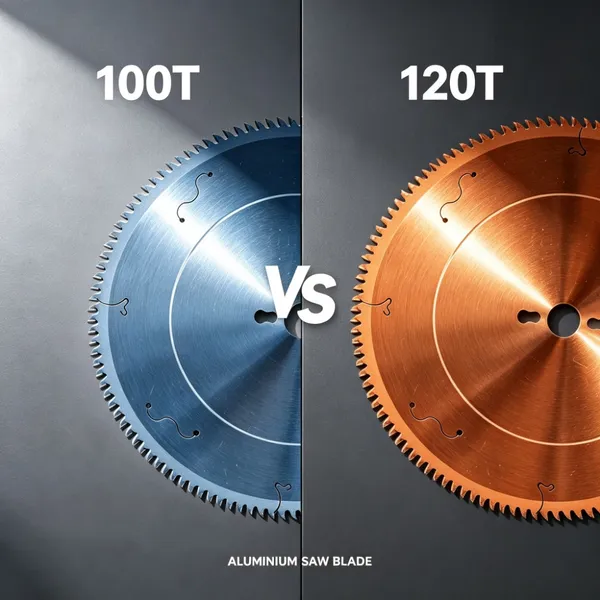 Read More
 -
Why Choose 254mm 100T TCG 75Cr1 Saw Blade for Wood Fine Cutting?
June 10, 2026Every woodworker knows that fine cutting is the key to finishing high-quality woodworks. A poor saw blade will cause rough edges,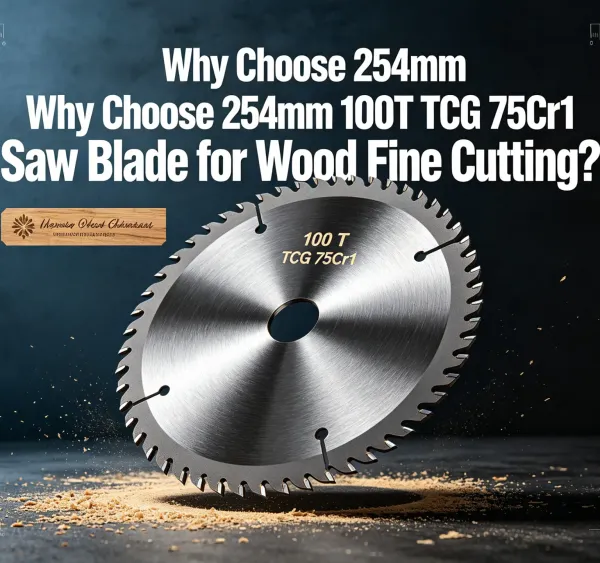 Read More
 -
254mm 100T TCG 75Cr1 Woodworking Blade: Ideal Choice for Wood Fine Cutting
June 10, 2026When it comes to high-precision wood processing, selecting a qualified saw blade directly determines cutting quality, production e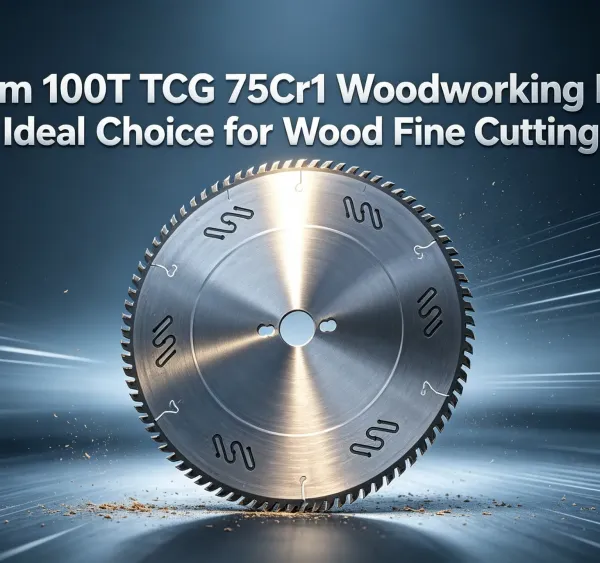 Read More
 -
TCT Circular Saw Blade 300mm 120T TCG 75Cr1 for Plywood Cutting - AOMJNG
May 27, 2026IntroductionWhen cutting engineered wood products and composite materials, the risk of edge chipping and delamination increases si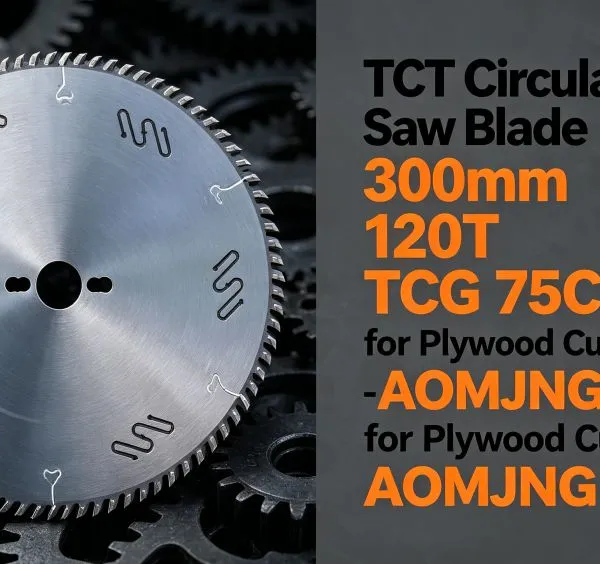 Read More

Contact Us
Recommended Products
-
 75Cr1 Panel Saw Blade 180mm 48T ATB for Wood Panel Cutting for FurnitureNegotiableMOQ: 100 Pieces
 -
Woodworking Blade 350mm 60T TCG 75Cr1 for Panel Saw for Furniture ManufacturingNegotiableMOQ: 100 Pieces
-
Precision Cutting Blade 300mm With 96T TCG Teeth for Fine Panel Cutting for Cabinet MakingNegotiableMOQ: 100 Pieces
-
Industrial Saw Blade 450mm 80T TCG 75Cr1 for Panel Cutting for Furniture ManufacturingNegotiableMOQ: 100 Pieces
-
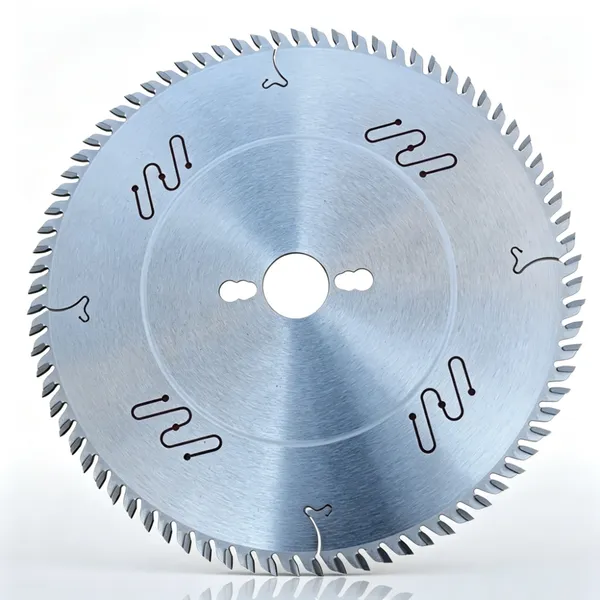
Laminated Board Cutting Blade 254mm 120T TCG 75Cr1 for Furniture ManufacturingNegotiableMOQ: 100 Pieces
-
230mm 40T ATB Rip Saw Blade for Solid Wood Cutting for Furniture 75Cr1NegotiableMOQ: 100 Pieces
-
Precision Saw Blade 254mm With 80T TCG Teeth for Plywood Cutting for Cabinet MakingNegotiableMOQ: 100 Pieces
-
75Cr1 Fine Cutting Blade 305mm 120T TCG for Panel Saw for FurnitureNegotiableMOQ: 100 Pieces
-
Melamine Board Blade for Panel Cutting 305mm 100T TCG 75Cr1 for FurnitureNegotiableMOQ: 100 Pieces
-
Woodworking Saw Blade 400mm With 100T TCG Teeth for Fine Panel Cutting for Cabinet MakingNegotiableMOQ: 100 Pieces
-
Cutting Saw Blade 350mm 60T TCG 75Cr1 for Panel Cutting for WoodworkingNegotiableMOQ: 100 Pieces
-
350mm 72T TCG Fine Cutting Blade for Panel Saw for Cabinet Making 75Cr1NegotiableMOQ: 100 Pieces
-
Panel Saw Blade for Wood Cutting 250mm 60T TCG 75Cr1 for MDF Crosscutting for WoodworkingNegotiableMOQ: 100 Pieces
-
Precision Wood Saw Blade 300mm 120T TCG for Fine Panel Crosscutting for Cabinet MakingNegotiableMOQ: 100 Pieces
-
75Cr1 Wood Ripping Saw Blade 250mm 40T ATB for Solid Wood Rip Cutting for Timber ProcessingNegotiableMOQ: 100 Pieces
-
300mm 80T TCG Wood Saw Blade for Melamine Faced Board Cutting 75Cr1NegotiableMOQ: 100 Pieces
-
Plywood Saw Blade 300mm 60T TCG 75Cr1 for Woodworking Panel CrosscuttingNegotiableMOQ: 100 Pieces
-
75Cr1 Saw Blade 250mm 100T TP for Plywood Cutting - AOMJNGNegotiableMOQ: 100 Pieces
-
75Cr1 Panel Saw Blade 400mm 120T TP for Plywood Cutting - AOMJNGNegotiableMOQ: 100 Pieces
-
Cutting Saw Blade for Plywood No-spec HSS for Woodworking & FurnitureNegotiableMOQ: 100 Pieces