 Business License

How to Choose the Right Circular Saw Blade for Woodworking: The Complete Guide
Selecting the appropriate circular saw blade is one of the most impactful decisions a woodworker or procurement professional can make. The right blade transforms cutting from a frustrating struggle with tear-out and burning into a smooth, efficient operation that produces clean, accurate cuts every time. Yet with the numerous options available—varying in diameter, tooth count, tooth geometry, and material composition—making the optimal choice can feel overwhelming. This comprehensive guide breaks down the key factors to consider, empowering you to select with confidence.
Understanding the Fundamentals: Why Blade Choice Matters
Before diving into specific selection criteria, it's essential to understand why blade selection carries such weight. A circular saw blade doesn't simply cut material—it interacts with wood fibers, generates heat, removes chips, and ultimately determines surface quality. Using an inappropriate blade leads to common frustrations: rough surfaces requiring extensive sanding, burned wood from excessive heat, premature blade dulling, dangerous binding or kickback, and wasted material from imprecise cuts. Professional woodworkers recognize that quality saw blades represent an investment in overall workmanship quality and operational efficiency.
Factor 1: Matching Tooth Geometry to Your Application
Tooth geometry is arguably the most critical blade characteristic, and different designs serve fundamentally different cutting purposes.
ATB (Alternate Top Bevel)
ATB blades feature teeth with alternating left and right bevels, creating a knife-like shearing action as the blade rotates. This geometry excels at cross-cutting operations, producing exceptionally clean finishes on the top surface of the cut. ATB blades minimize tear-out when cutting across wood grain, making them the preferred choice for finish carpentry, cabinet making, and any application where surface quality matters. However, the shearing action makes ATB blades less ideal for aggressive ripping operations.
TCG (Triple Chip Grind)
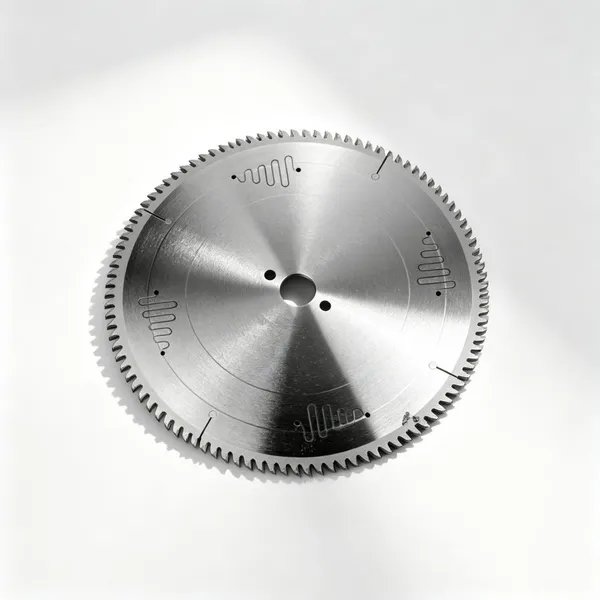
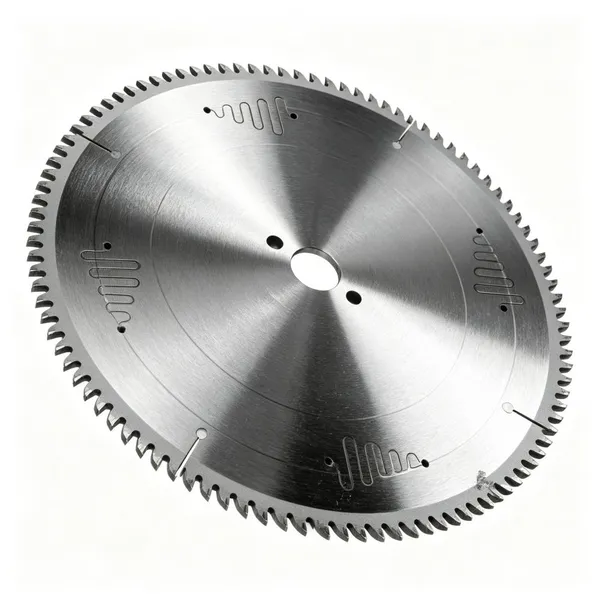
TCG blades employ a triangular raker tooth alternating with a square-faced chipping tooth. This configuration provides excellent durability and clean cuts in abrasive materials, including hardwoods with embedded minerals, composite materials, and OSB panels. For general-purpose woodworking involving both cross-cutting and ripping, TCG geometry offers balanced performance with good feed rates and acceptable surface quality.
FTG (Flat Top Grind)
FTG blades feature flat-topped teeth that create a scraping action. While this produces a rougher surface finish than ATB or TCG designs, FTG blades excel in ripping applications where the workpieces will undergo subsequent surfacing operations. The aggressive cutting action and efficient chip ejection make FTG blades the traditional choice for dimensioning operations in sawmills and production woodworking facilities.
Combination and Specialized Geometries
Many blades feature hybrid designs that attempt to balance competing requirements. Some incorporate ATB teeth with specialized chip breakers, while others position raker teeth strategically to improve chip flow. For multi-rip saw operations processing material along the grain, specialized multi-rip geometries with ATB main teeth and dedicated raker teeth optimize both cutting efficiency and surface quality.
Factor 2: Selecting the Appropriate Diameter
Blade diameter must match your saw machine's specifications, but within acceptable ranges, diameter affects several performance characteristics. Larger diameters generally provide deeper cutting capacity and operate at lower rotational speeds for equivalent peripheral velocities—potentially extending bearing life in the saw motor. Smaller diameters offer maneuverability and lower inertia, which can improve control in handheld applications. Always prioritize manufacturer-specified diameter ranges for your equipment to ensure safe operation and proper mounting.
Factor 3: Understanding Tooth Count and Its Implications
Tooth count directly influences cut quality, feed rate, and chip load. The relationship between tooth count and these factors creates trade-offs that vary by application:
High Tooth Counts (60-80+ teeth)
These blades produce the finest finishes but with slower feed rates. They're ideal for fine cabinet work, sheet goods cutting where tear-out prevention is paramount, and any application where surface preparation time is more expensive than cutting time.
Medium Tooth Counts (40-60 teeth)
Balancing quality and efficiency, medium-count blades suit general-purpose woodworking where both cross-cutting and ripping occur regularly. Many woodworkers find this range suitable for everyday professional work.
Low Tooth Counts (24-40 teeth)
Aggressive cutting with excellent chip ejection characterizes low-tooth-count blades. Ripping applications favor these configurations, particularly when processing rough lumber that will be planed or sanded to final dimensions anyway.
Factor 4: Evaluating Blade Body Materials
The steel body connecting and supporting the carbide teeth comes in various grades, each with distinct properties:
65Mn Steel
This common budget-friendly option provides adequate performance for light-duty applications and occasional use. While susceptible to fatigue cracking over extended use, 65Mn steel blades serve well for hobbyists and light commercial applications where cost sensitivity is paramount.
75Cr1 Steel
Recognized as a premium blade body material, 75Cr1 high-carbon steel offers superior tensile strength, better resistance to fatigue and deformation, and improved dimensional stability during extended operation. Professional woodworkers and high-volume production operations benefit significantly from this upgrade, experiencing longer blade life, consistent performance, and reduced waste from blade-related quality issues.
Plate Treatments and Coatings
Many professional blades incorporate surface treatments beyond the base steel. Chrome plating resists corrosion and simplifies cleanup. Anti-friction coatings reduce heat generation. Vibration-dampening treatments improve cutting smoothness. These enhancements contribute to overall blade performance and longevity, though they build upon a foundation of quality steel construction.
Factor 5: Carbide Grade and Quality
Since the tungsten carbide tips perform the actual cutting, their quality fundamentally determines blade life and cut quality. Professional-grade carbide contains precise formulations of tungsten carbide particles bonded with cobalt binder, manufactured under exacting conditions to achieve consistent hardness and fracture resistance. Budget blades often employ lower-quality carbide that dulls quickly, chips prematurely, or loses attachment to the body. The relatively small cost difference between quality tiers translates to substantial life differences in practice.
Practical Selection Framework
When evaluating options for your specific needs, consider this decision framework:
Identify your primary operation: Is this blade for ripping, cross-cutting, or mixed use?
Determine finish requirements: Will cut surfaces be visible, or will subsequent processing hide them?
Assess production volume: Higher volumes justify premium blade investments through extended life and reduced downtime.
Match machine specifications: Ensure diameter and arbor hole sizes are compatible.
Evaluate material characteristics: Hardwoods, softwoods, engineered products, and exotic species each present unique challenges.
Integrating Your Product Knowledge
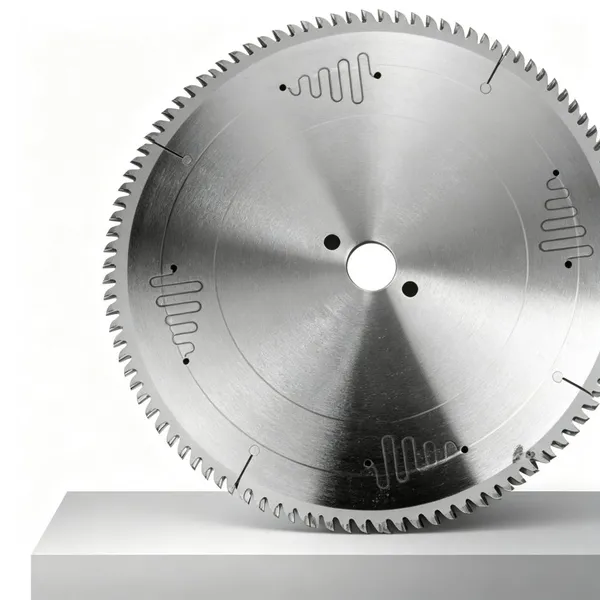
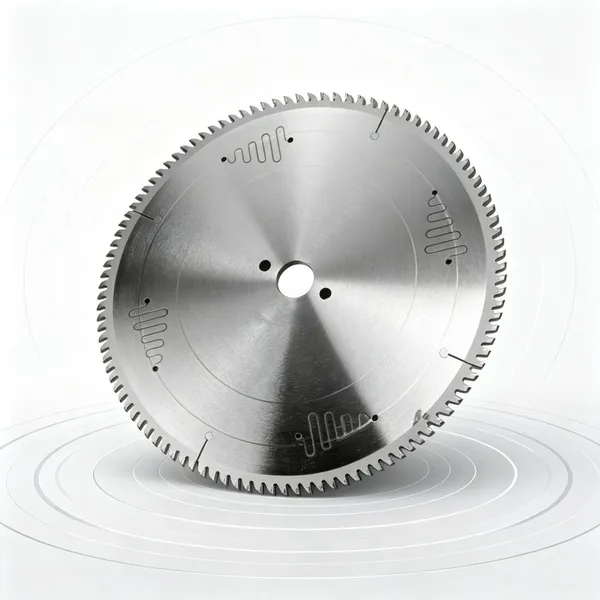
Understanding these selection factors becomes particularly valuable when evaluating suppliers. Reputable manufacturers like Hebei Qiaoran Precision Tools Co., Ltd. offer comprehensive TCT saw blade product lines—including multi-rip saw blades, panel saw blades, aluminum cutting blades, and specialized application blades—that demonstrate these principles in practice. Quality manufacturers clearly specify tooth geometry, body material, and carbide specifications, enabling informed purchasing decisions.
Conclusion: Knowledge Enables Better Choices
Mastering saw blade selection requires understanding how tooth geometry, diameter, tooth count, body material, and carbide quality interact to affect cutting performance. Rather than selecting blades arbitrarily or defaulting to single-purpose options, applying this framework ensures every blade serves its intended application optimally. The time invested in understanding these fundamentals returns multiplied through improved cut quality, extended blade life, reduced waste, and enhanced overall productivity.
For professionals seeking to optimize their tooling selection, exploring comprehensive product lines that span various specifications and applications provides both selection flexibility and valuable hands-on learning opportunities. Quality tools, selected intelligently, become genuine competitive advantages in professional woodworking operations.
Recently Posted
-
How to Extend the Service Life of Your Aluminium Cutting Saw Blade
July 8, 2026An aluminium cutting saw blade is an investment. A quality TCT blade with TP teeth costs more than a wood-cutting blade — and it s Read More
 -
100T vs 120T Aluminium Saw Blade — Which Tooth Count Do You Need?
July 8, 2026Buying an aluminium cutting saw blade and stuck between 100T and 120T? This is one of the most common questions we get from buyers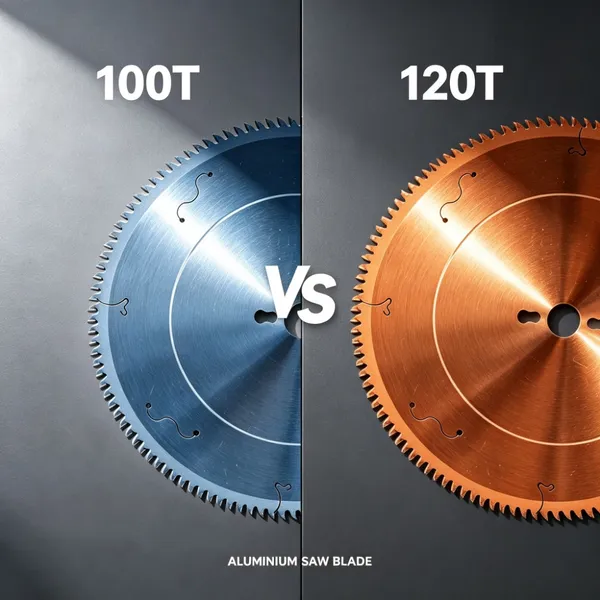 Read More
 -
Why Choose 254mm 100T TCG 75Cr1 Saw Blade for Wood Fine Cutting?
June 10, 2026Every woodworker knows that fine cutting is the key to finishing high-quality woodworks. A poor saw blade will cause rough edges,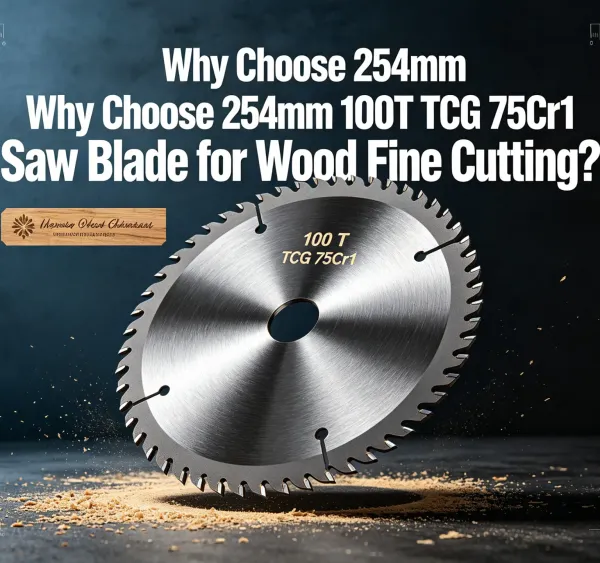 Read More
 -
254mm 100T TCG 75Cr1 Woodworking Blade: Ideal Choice for Wood Fine Cutting
June 10, 2026When it comes to high-precision wood processing, selecting a qualified saw blade directly determines cutting quality, production e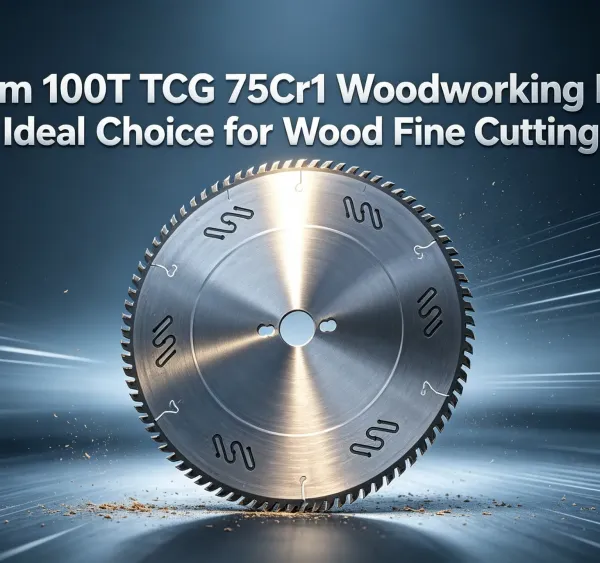 Read More

Contact Us
Recommended Products
-
 75Cr1 Panel Saw Blade 180mm 48T ATB for Wood Panel Cutting for FurnitureNegotiableMOQ: 100 Pieces
 -
Woodworking Blade 350mm 60T TCG 75Cr1 for Panel Saw for Furniture ManufacturingNegotiableMOQ: 100 Pieces
-
Precision Cutting Blade 300mm With 96T TCG Teeth for Fine Panel Cutting for Cabinet MakingNegotiableMOQ: 100 Pieces
-
Industrial Saw Blade 450mm 80T TCG 75Cr1 for Panel Cutting for Furniture ManufacturingNegotiableMOQ: 100 Pieces
-
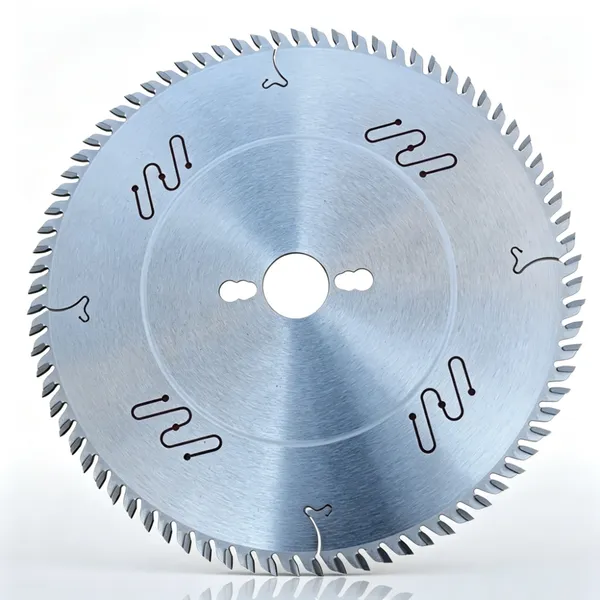
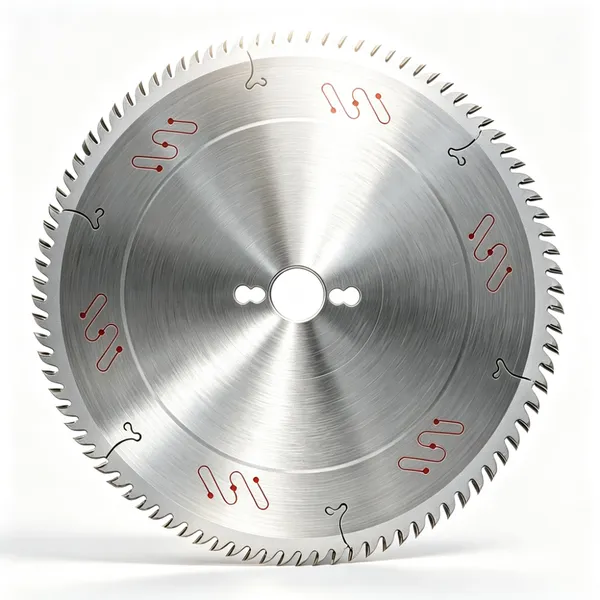
Laminated Board Cutting Blade 254mm 120T TCG 75Cr1 for Furniture ManufacturingNegotiableMOQ: 100 Pieces
-
230mm 40T ATB Rip Saw Blade for Solid Wood Cutting for Furniture 75Cr1NegotiableMOQ: 100 Pieces
-
Precision Saw Blade 254mm With 80T TCG Teeth for Plywood Cutting for Cabinet MakingNegotiableMOQ: 100 Pieces
-
75Cr1 Fine Cutting Blade 305mm 120T TCG for Panel Saw for FurnitureNegotiableMOQ: 100 Pieces
-
Melamine Board Blade for Panel Cutting 305mm 100T TCG 75Cr1 for FurnitureNegotiableMOQ: 100 Pieces
-
Woodworking Saw Blade 400mm With 100T TCG Teeth for Fine Panel Cutting for Cabinet MakingNegotiableMOQ: 100 Pieces
-
Cutting Saw Blade 350mm 60T TCG 75Cr1 for Panel Cutting for WoodworkingNegotiableMOQ: 100 Pieces
-
350mm 72T TCG Fine Cutting Blade for Panel Saw for Cabinet Making 75Cr1NegotiableMOQ: 100 Pieces
-
Panel Saw Blade for Wood Cutting 250mm 60T TCG 75Cr1 for MDF Crosscutting for WoodworkingNegotiableMOQ: 100 Pieces
-
Precision Wood Saw Blade 300mm 120T TCG for Fine Panel Crosscutting for Cabinet MakingNegotiableMOQ: 100 Pieces
-
75Cr1 Wood Ripping Saw Blade 250mm 40T ATB for Solid Wood Rip Cutting for Timber ProcessingNegotiableMOQ: 100 Pieces
-
300mm 80T TCG Wood Saw Blade for Melamine Faced Board Cutting 75Cr1NegotiableMOQ: 100 Pieces
-
Plywood Saw Blade 300mm 60T TCG 75Cr1 for Woodworking Panel CrosscuttingNegotiableMOQ: 100 Pieces
-
75Cr1 Saw Blade 250mm 100T TP for Plywood Cutting - AOMJNGNegotiableMOQ: 100 Pieces
-
75Cr1 Panel Saw Blade 400mm 120T TP for Plywood Cutting - AOMJNGNegotiableMOQ: 100 Pieces
-
Cutting Saw Blade for Plywood No-spec HSS for Woodworking & FurnitureNegotiableMOQ: 100 Pieces