 Business License

How to Choose the Right Carbide Insert for Woodworking: A Complete Guide
When it comes to woodworking, the quality of your carbide inserts directly impacts cut precision, tool lifespan, and overall productivity. With numerous options available on the market, selecting the right insert can feel overwhelming—especially when specifications like hardness ratings, knife angles, and coating types all come into play. This guide breaks down everything you need to know to make an informed decision for your woodworking projects.
Understanding Carbide Insert Hardness
Carbide insert hardness is typically measured on the Rockwell scale (HRA), and this parameter is fundamental to performance. For woodworking applications, hardness usually ranges from HRA 88 to HRA 93.
Lower hardness (HRA 88-90): These inserts offer superior toughness and impact resistance. They're ideal for cutting softer woods, composite materials, or situations where the blade may encounter knots, nails, or other embedded objects. The trade-off is slightly reduced edge retention.
Higher hardness (HRA 91-93): These inserts maintain a sharper edge for significantly longer periods. They're best suited for precision cutting of hardwoods, engineered lumber, and materials that demand clean, crisp edges. However, they tend to be more brittle and may chip if used on contaminated wood.
Our recommendation: For general-purpose woodworking, choose inserts with HRA 90-91 hardness. This balance provides excellent edge retention without sacrificing the toughness needed for everyday use.
Knife Angle Selection: 35° vs Other Angles
The knife angle determines how aggressively the insert shears through material and affects both cut quality and tool stress.
35° Knife Angle
The 35° angle has become an industry standard for several reasons:
Versatility: Suitable for both softwoods and hardwoods
Cut quality: Produces clean edges with minimal tear-out
Durability: The slightly steeper angle provides good edge strength
Heat dissipation: Allows efficient chip ejection, reducing heat buildup
This angle works exceptionally well for joinery, panel cutting, and general woodworking tasks.
Other Common Angles
25-30° angles: These produce exceptionally smooth cuts in soft materials but may deflect when encountering harder grains or contaminants. Best for: fine furniture work, veneer cutting, and delicate moldings.
40-45° angles: More aggressive cutting with excellent chip flow. Better suited for rough cutting, dense hardwoods, and production environments where speed matters more than ultra-fine finish.
Our recommendation: Start with 35° inserts unless your application demands specific characteristics. The versatility of this angle covers approximately 80% of woodworking applications.
Size and Specification Matching
Matching insert dimensions to your tool holder and application requirements is critical:
Key Measurements
Width and thickness must precisely match your tool holder or pocket geometry. Even minor discrepancies can cause vibration, poor cut quality, or safety hazards.
Cutting length should correspond to your typical workpiece depth. Oversized inserts add unnecessary weight and cost; undersized inserts limit your capabilities.
Relief angles affect chip flow and must be appropriate for your cutting direction (climb cut vs. conventional cut).
Tip Configuration
Square tips: Maximum edge length, ideal for deep cuts and heavy stock removal
Rounded tips: Reduced chipping risk, better for interrupted cuts
Angled tips: Specialized applications like V-grooves and chamfers
When ordering, always verify specifications against your machine's documentation or measure existing inserts carefully.
Coating Options: When Do You Need Them?
Carbide inserts come with various coating options—or without coating at all. Understanding when each is appropriate will save you money and improve results.
Uncoated (Bright) Carbide
Best for: Standard woodworking, natural hardwoods, softwoods, and general-purpose cutting where maximum sharpness is prioritized.
Advantages: Sharpest edge right out of the box, lowest cost option, excellent for clean wood cutting.
Titanium Nitride (TiN) Coating
Best for: Extended tool life in production environments, cutting abrasive materials like MDF, particleboard, and composites.
Advantages: Gold appearance, 2-3x longer tool life than uncoated, heat resistance up to 600°C.
Titanium Carbonitride (TiCN) Coating
Best for: High-speed cutting, demanding applications, and when dealing with abrasive engineered materials.
Advantages: Superior wear resistance, excellent for intermittent cutting, works well on mixed material types.
Diamond-Like Carbon (DLC) Coating
Best for: Cutting highly abrasive composites, engineered products with adhesive backers, and applications requiring extreme hardness.
Advantages: Exceptional hardness, chemical resistance, reduces sticking of wood resins.
Our recommendation: For most woodworking applications with natural lumber, uncoated inserts provide the best value. For production environments or engineered materials, TiN coating offers the best cost-benefit ratio.
Material Grades and Their Differences
Carbide inserts are manufactured from different grades of cemented carbide, each optimized for specific properties:
K-Series (Yellow/Brown)
Primarily designed for non-ferrous metals but used in some woodworking applications. Features excellent abrasion resistance but moderate toughness.
P-Series (Blue)
Optimized for steel applications. Less common in woodworking but useful for cutting wood with metal contaminants.
M-Series (Red)
A balanced grade suitable for mixed materials. Offers reasonable toughness and wear resistance.
WC-Based Carbide (Most Common for Woodworking)
Tungsten carbide grades specifically formulated for woodworking emphasize:
High fracture toughness
Excellent edge sharpness retention
Resistance to abrasive wear from wood minerals and silica
AOMJNG tip: Our inserts use proprietary WC grades optimized for woodworking, balancing sharpness, durability, and cost-effectiveness for professional applications.
Application Scenario Matching
Different woodworking applications demand different insert characteristics:
Furniture Manufacturing
Primary needs: Smooth cut quality, consistent edge sharpness, medium-to-high production volume
Recommended specs: HRA 90-91, 35° angle, TiN coating optional for MDF/veneer work
Cabinet Making
Primary needs: Precision joinery cuts, versatility across material types, clean edges
Recommended specs: HRA 90-91, 35° angle, uncoated for solid wood, TiCN for sheet goods
Door and Window Production
Primary needs: High throughput, consistent quality across long runs, handling various profiles
Recommended specs: HRA 91+, durable coating (TiN/TiCN), precision-ground tolerances
Flooring Manufacturing
Primary needs: Extreme edge retention, consistent dimensions, resistance to abrasive finishes
Recommended specs: HRA 92+, TiCN or DLC coating, precision square tips
General Carpentry
Primary needs: Versatility, durability in challenging conditions, value for cost
Recommended specs: HRA 90, 35° angle, uncoated, standard K-series alternative
Making Your Final Decision
When selecting carbide inserts for woodworking, create a checklist based on this priority order:
Compatibility: Does the insert fit your tool holder or replaceable tip system?
Application: What materials will you primarily cut?
Production volume: How important is tool life vs. initial sharpness?
Quality requirements: What level of cut finish is acceptable?
Budget: Balance between upfront cost and total cost of ownership
Remember that investing in quality inserts appropriate for your application typically costs less over time than repeatedly replacing cheaper alternatives that wear or chip prematurely.
Conclusion
Choosing the right carbide insert for woodworking doesn't have to be complicated. By understanding how hardness, knife angle, size specifications, coatings, and material grades interact with your specific applications, you can make confident purchasing decisions that optimize both cut quality and value.
At AOMJNG (Hebei Qiaoran Precision Tools Co., Ltd.), we manufacture a comprehensive range of woodworking carbide inserts, finger joint cutters, TCT/PCD saw blades, planer knives, and replacement parts. Our team can help you select or customize inserts for your specific requirements—contact us today for OEM/ODM/OBM solutions from our Hebei, China facility.
Recently Posted
-
Why Choose 254mm 100T TCG 75Cr1 Saw Blade for Wood Fine Cutting?
June 10, 2026Every woodworker knows that fine cutting is the key to finishing high-quality woodworks. A poor saw blade will cause rough edges,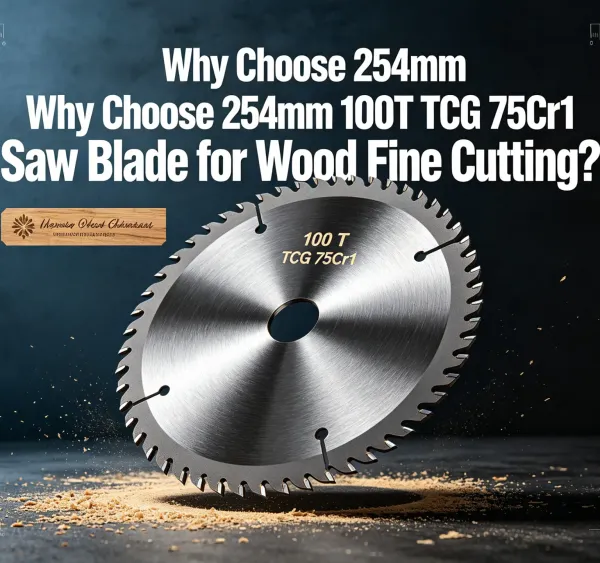 Read More
 -
254mm 100T TCG 75Cr1 Woodworking Blade: Ideal Choice for Wood Fine Cutting
June 10, 2026When it comes to high-precision wood processing, selecting a qualified saw blade directly determines cutting quality, production e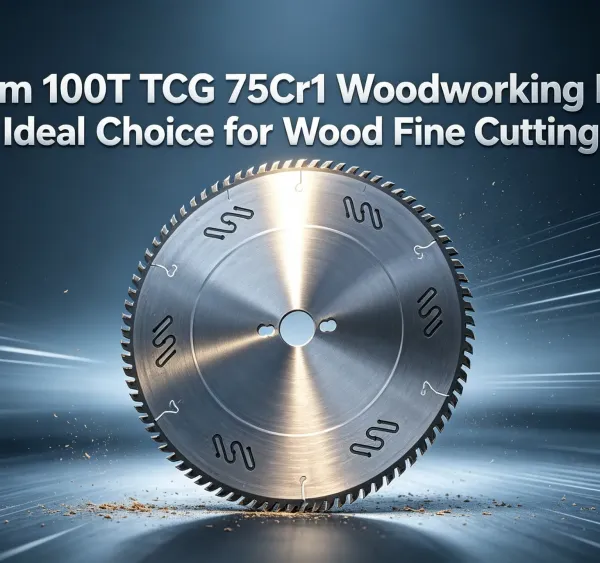 Read More
 -
TCT Circular Saw Blade 300mm 120T TCG 75Cr1 for Plywood Cutting - AOMJNG
May 27, 2026IntroductionWhen cutting engineered wood products and composite materials, the risk of edge chipping and delamination increases si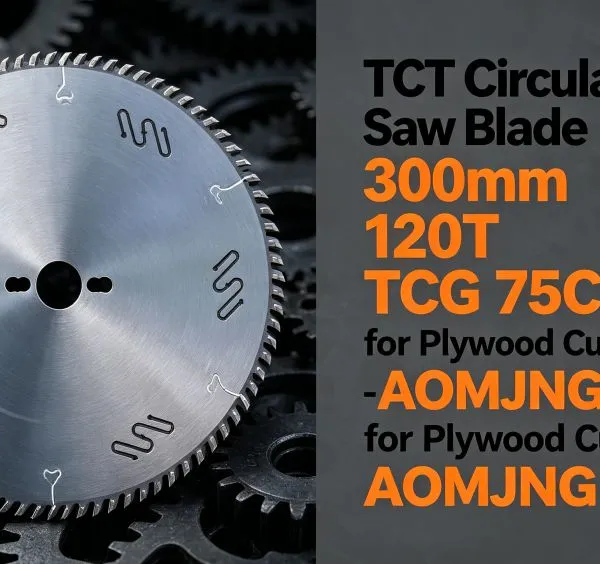 Read More
 -
High-Quality 75Cr1 Wood Ripping Blade 250mm 40T ATB for Solid Wood
May 27, 2026Product OverviewWhen it comes to solid wood processing, the saw blade you choose directly impacts your production efficiency, tool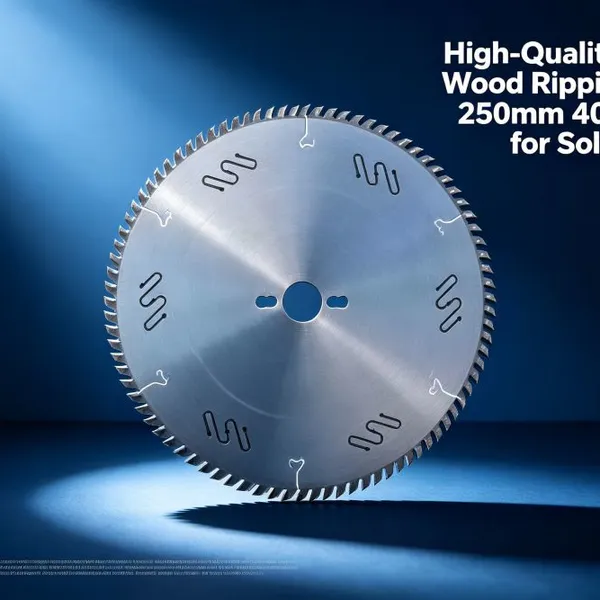 Read More

Contact Us
Recommended Products
-
 Panel Saw Blade for Wood Cutting 250mm 60T TCG 75Cr1 for MDF Crosscutting for WoodworkingNegotiableMOQ: 100 Pieces
 -
Precision Wood Saw Blade 300mm 120T TCG for Fine Panel Crosscutting for Cabinet MakingNegotiableMOQ: 100 Pieces
-
75Cr1 Wood Ripping Saw Blade 250mm 40T ATB for Solid Wood Rip Cutting for Timber ProcessingNegotiableMOQ: 100 Pieces
-
300mm 80T TCG Wood Saw Blade for Melamine Faced Board Cutting 75Cr1NegotiableMOQ: 100 Pieces
-
Plywood Saw Blade 300mm 60T TCG 75Cr1 for Woodworking Panel CrosscuttingNegotiableMOQ: 100 Pieces
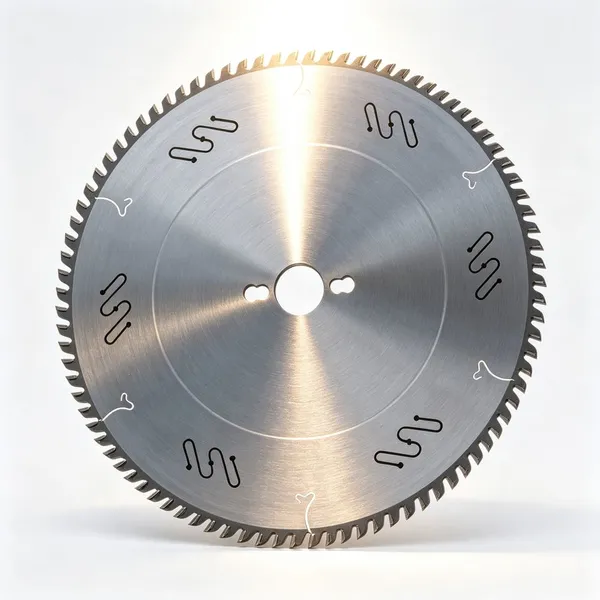
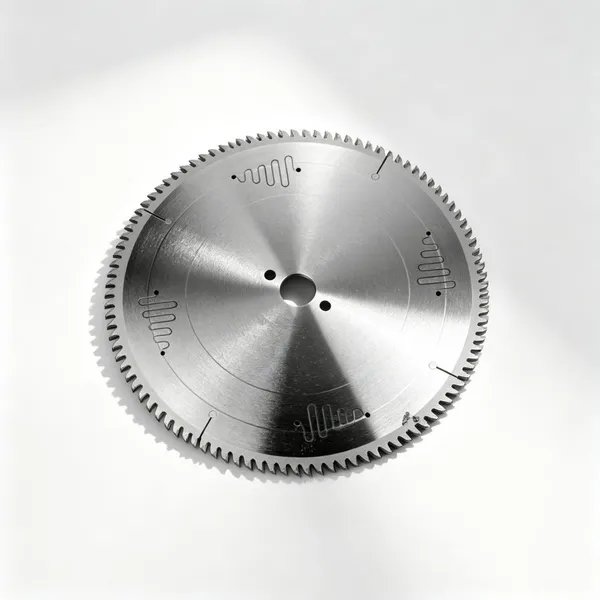
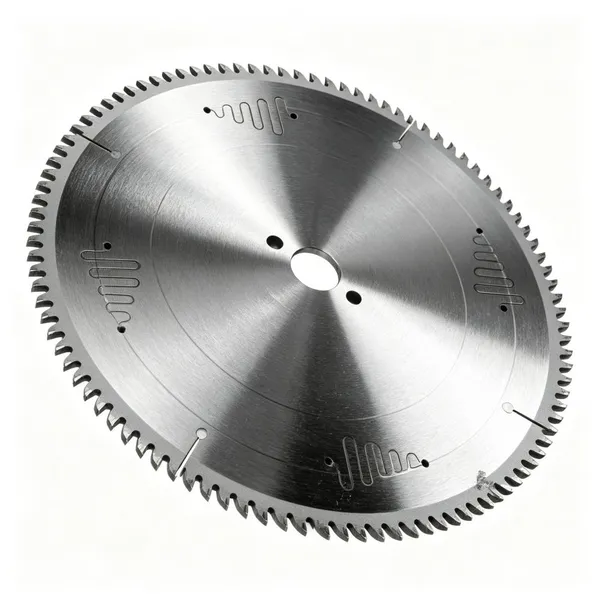
-
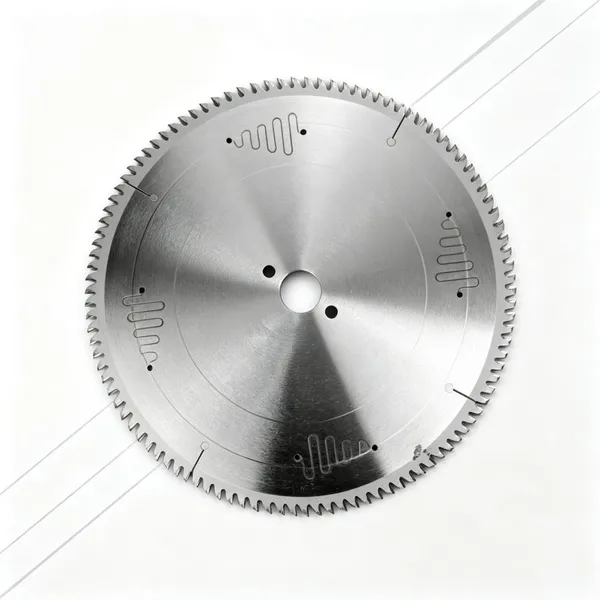
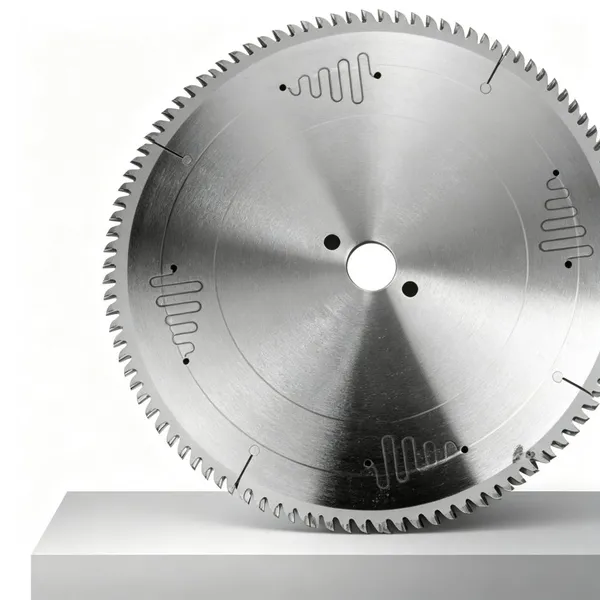
75Cr1 Saw Blade 250mm 100T TP for Plywood Cutting - AOMJNGNegotiableMOQ: 100 Pieces
-
75Cr1 Panel Saw Blade 400mm 120T TP for Plywood Cutting - AOMJNGNegotiableMOQ: 100 Pieces
-
Cutting Saw Blade for Plywood No-spec HSS for Woodworking & FurnitureNegotiableMOQ: 100 Pieces
-
Plywood Cutting Woodworking Blade No-spec TCT for Woodworking & Furniture MakingNegotiableMOQ: 100 Pieces
-
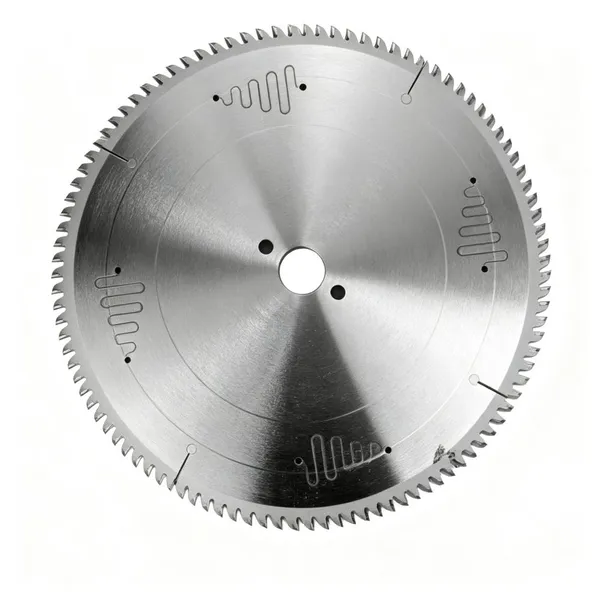
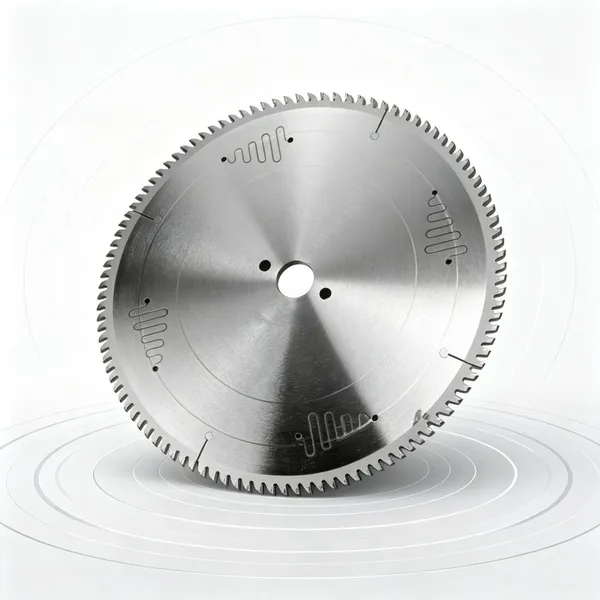
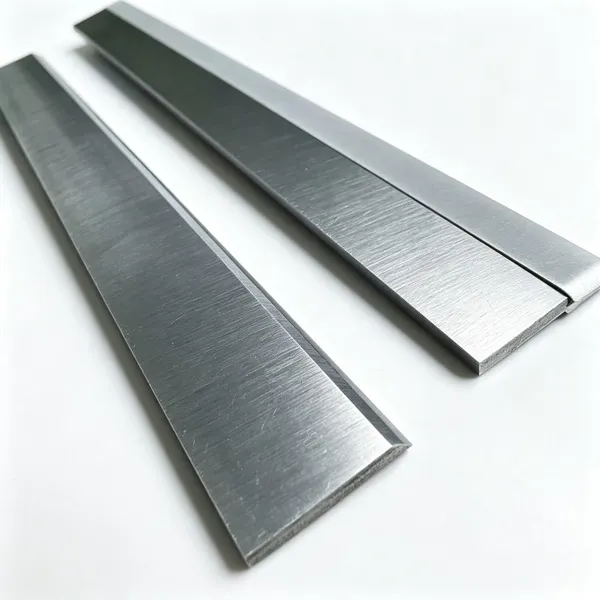
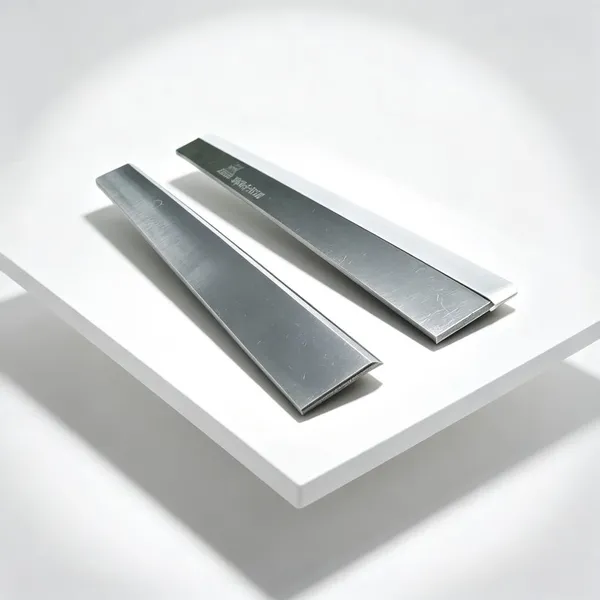
Double Sided Planer Cutter 300mm TCT for Woodworking Planing 75Cr1 - AOMJNGNegotiableMOQ: 100 Pieces
-
75Cr1 Scoring Saw Blade 100mm 24T ATB for Veneer Panel Scoring - AOMJNGNegotiableMOQ: 100 Pieces
-
Scoring Blade for Adjustable Veneer Panel Scoring 100mm 10+10T TCG 75Cr1 - AOMJNGNegotiableMOQ: 100 Pieces
-
Woodworking Joint Cutter for Finger Jointing 250mm 6W 15mm Pitch 75Cr1 - AOMJNGNegotiableMOQ: 100 Pieces
-
Alloy Finger Joint Cutter 210mm 4W for Middle Wood Jointing 75Cr1 - AOMJNGNegotiableMOQ: 100 Pieces
-
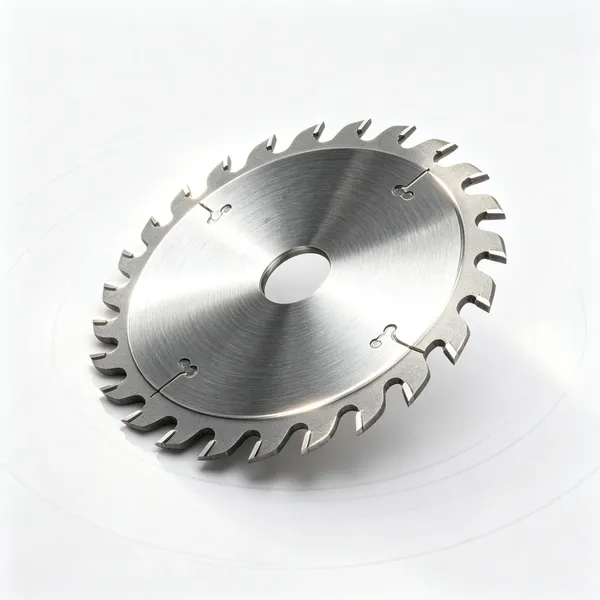
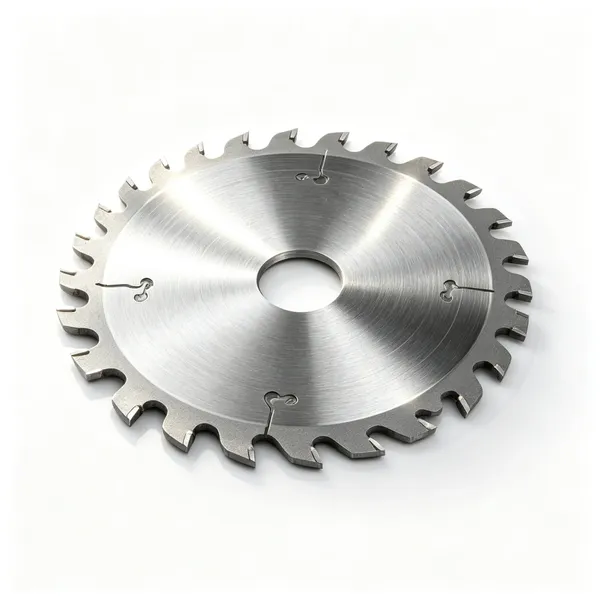
160mm 6W 12mm Pitch Finger Joint Cutter for Woodworking 75Cr1 - AOMJNGNegotiableMOQ: 100 Pieces
-
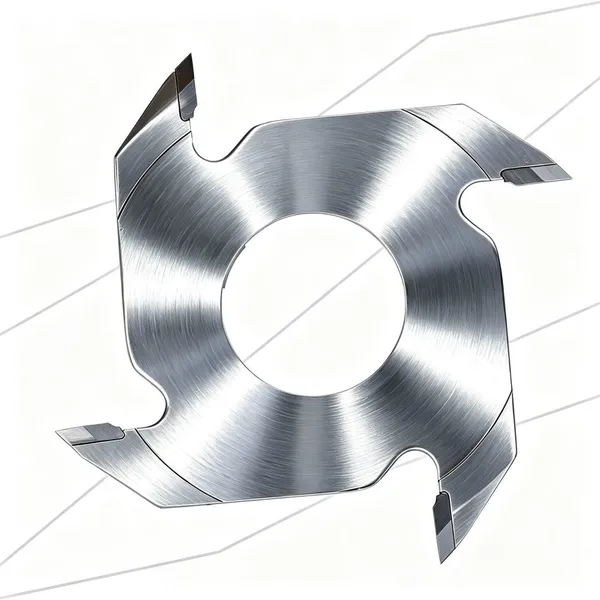
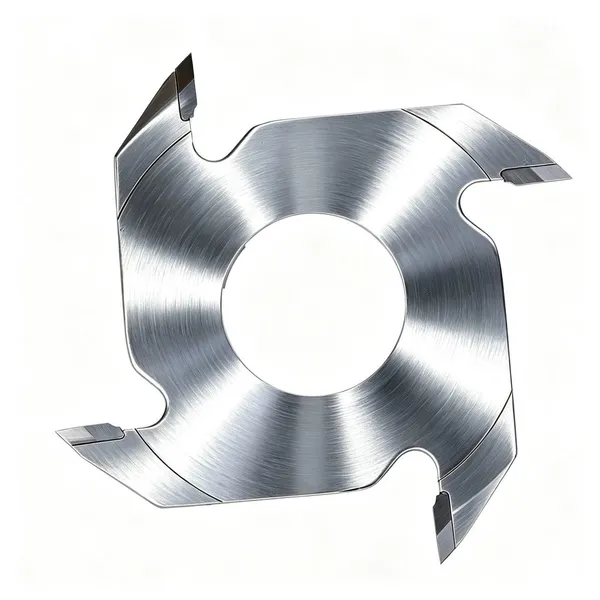
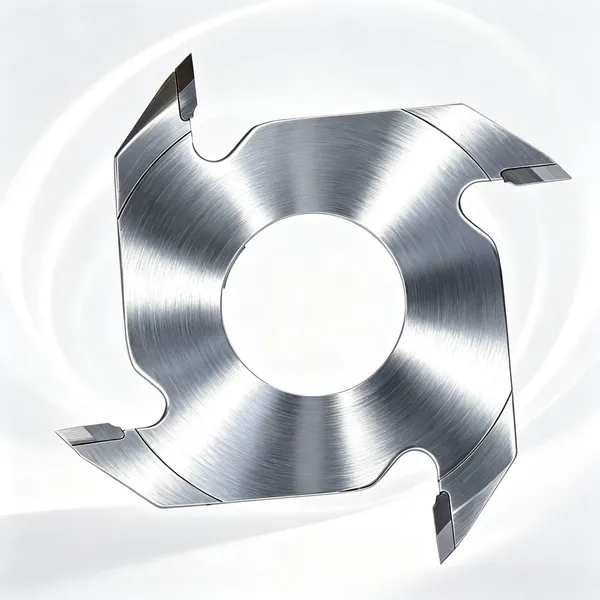
Wood Joint Cutter 160mm 4W 10mm Pitch Alloy - AOMJNGNegotiableMOQ: 100 Pieces
-
Finger Jointing Tool 160mm With 2W 7mm Pitch for Wood Joint - AOMJNGNegotiableMOQ: 100 Pieces
-
Wood Joint Cutter 160mm 2W 5.5mm Pitch Alloy for Finger Jointing - AOMJNGNegotiableMOQ: 100 Pieces
-
Panel Saw Blade for Grooving 230mm 48T TCG 75Cr1 - AOMJNGNegotiableMOQ: 100 Pieces
-
75Cr1 Cutting Saw Blade 200mm 40T TCG for Grooving - AOMJNGNegotiableMOQ: 100 Pieces